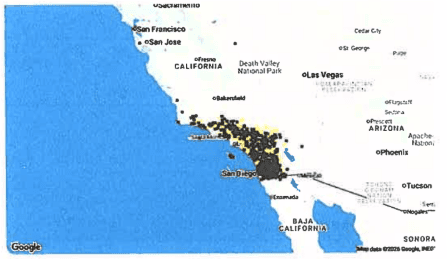
An Extravaganza of Avian Diversity Awaits in Menifee and Other Cities in the Inland Empire, Southern California
Millions of birds across the world have been lost due to Loss of Habitat, Pesticides, Climate Change and other issues. One way we can fix this is by replacing non-native plants that we have put in and substituting them with the original Native Plants for each area.
By Caren Bonds Hanson, Author
carenhanson3@gmail.com
Editor: Gordon Pratt
euphilotes1@gmail.com
Most Common Native Birds
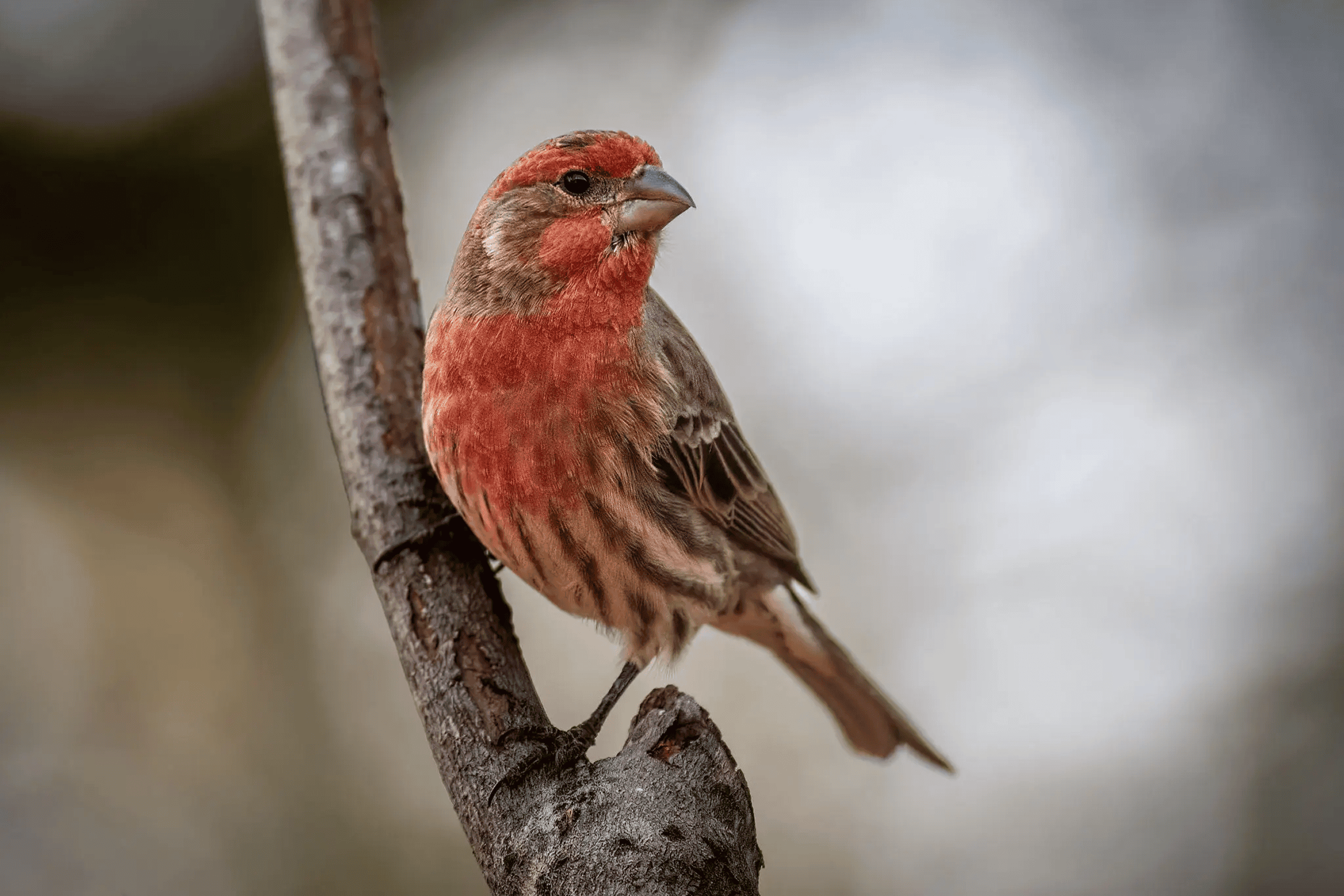
House Finch
Frequent in urban environments and human-created habitats such as parks and backyards, the little house Finch is known for its loud but pleasant, cheerful singing. It feeds on the ground, mostly on seeds, berries, and other plant material. This bird is highly sociable and very adaptable. It often visits feeders.
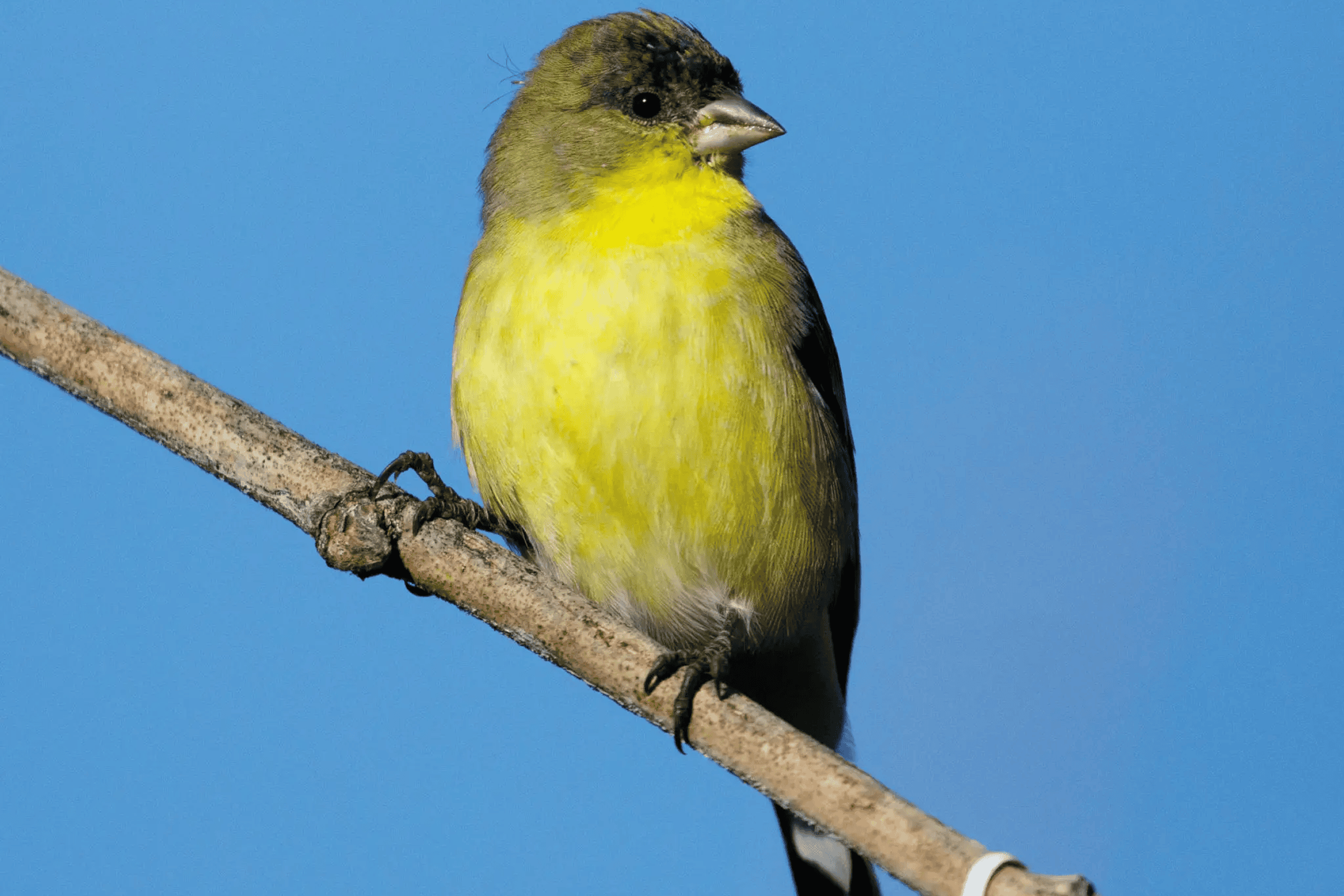
Lesser Goldfinch
A common visitor of birdhouses or anywhere with birdseed, the lesser Goldfinch is a small, notch-tailed bird that enjoys gardens and open wooded areas. Its size has made it commonly overlooked, but listen out for its charming, chiming song. Social birds, they are often seen in large groups of hundreds traveling.
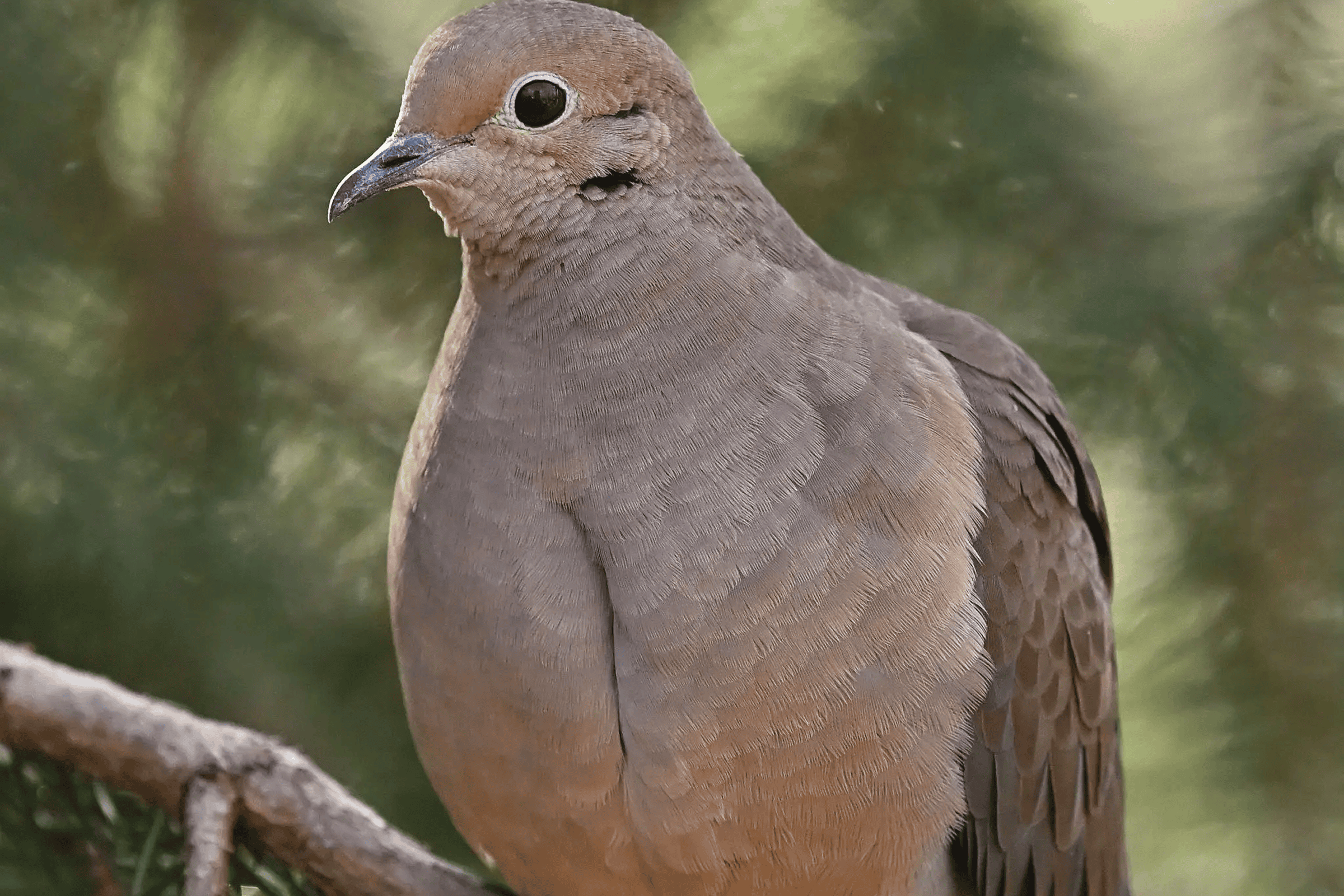
Mourning Dove
One of the most famous and widespread doves of North America, the mourning Dove can be often seen in urban areas perching on telephone wires. It is named after its distinctive, plaintive-sounding song. It is also a popular game bird, but its population is still abundant thanks to the prolific breeding and ils ability to raise u...
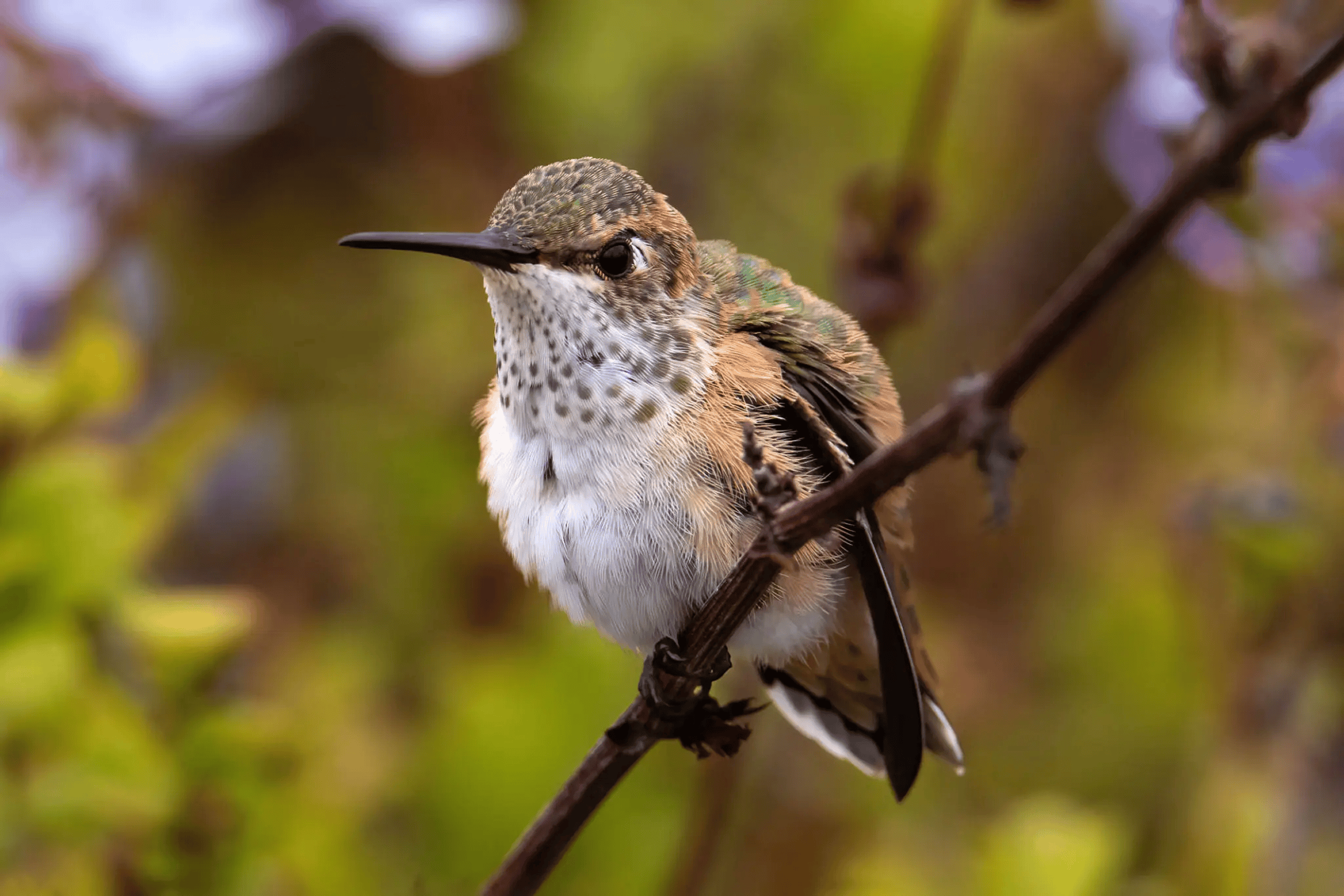
Anna's Hummingbird
This hardy bird is a common sight along the Pacific Coast, with a bright, vibrant coloring that is anything but common. Look for their emerald feathers and soft pink throats, which gives them the appearance of a flying jewel. Anna's Hummingbird is more vocal than other hummingbirds, with a buzzy song you may hear from...
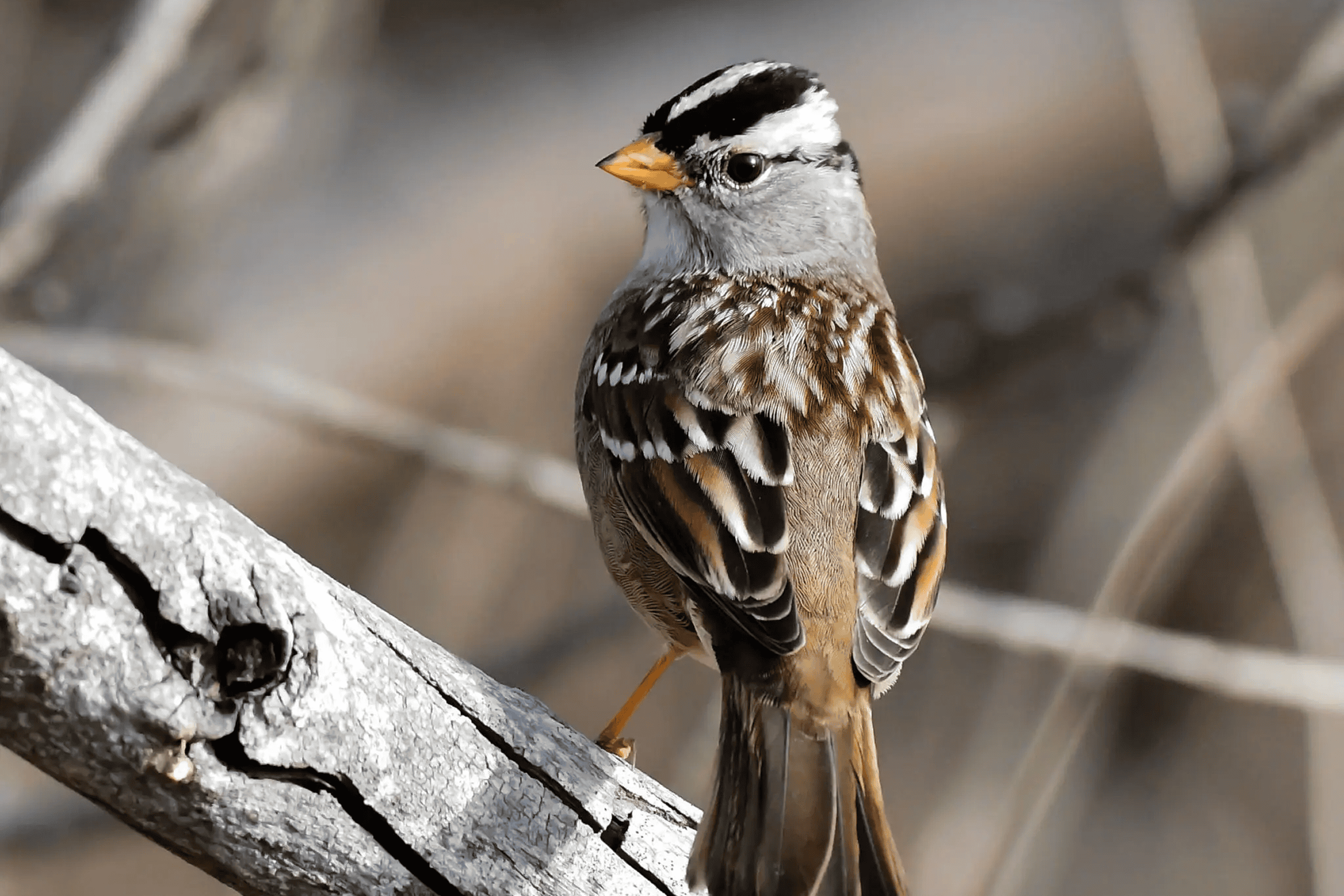
White-crowned Sparrow
This common sparrow has a white crown atop its head, which gave it its name, as well as a neat pattern down its wings and a long tail. Some groups of white-crowned Sparrows migrate, while others remain in coastal habitats year-round. Across different groups of these birds are different song "dialects' which are wid...
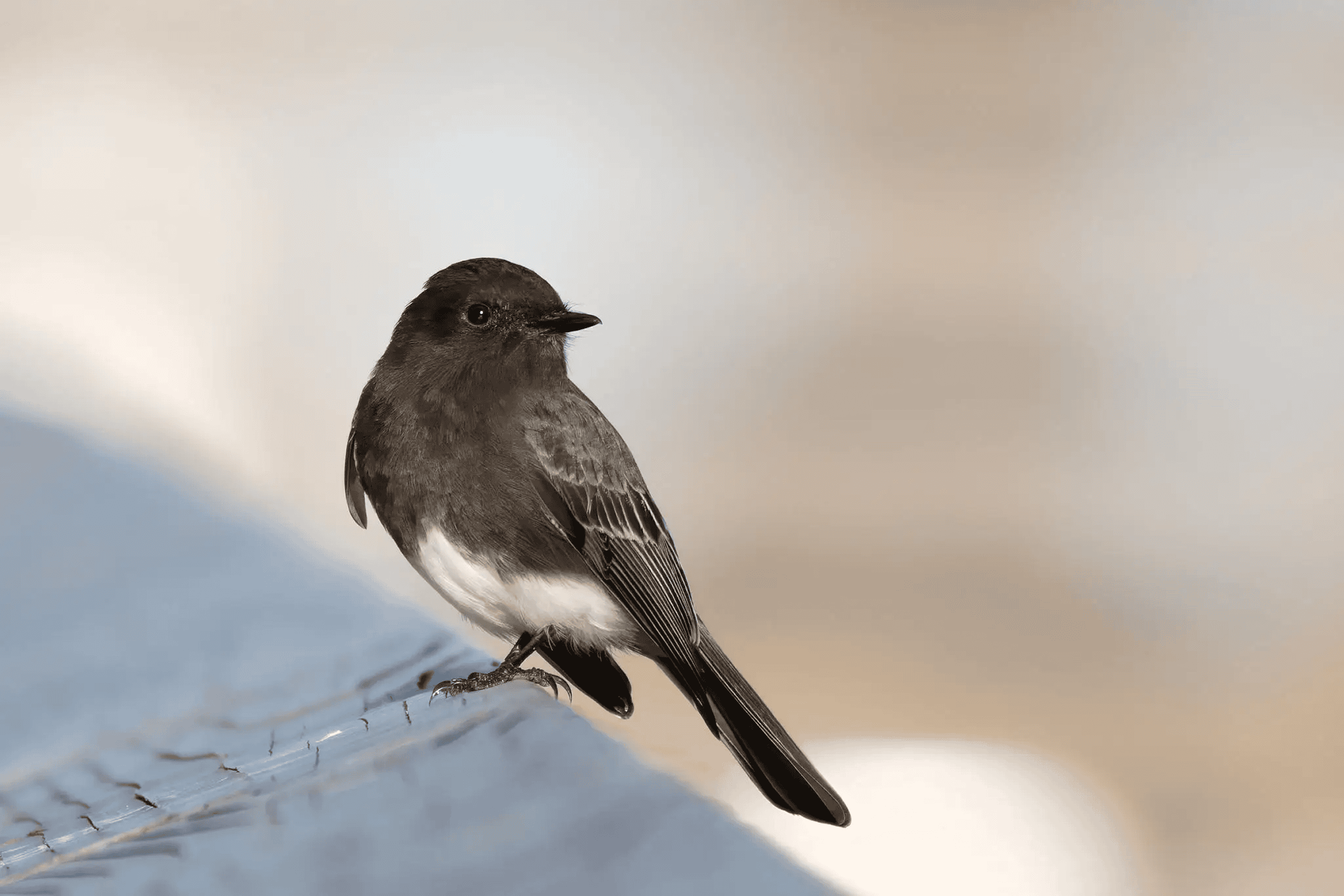
Black Phoebe
Often spotted near creeks and ponds after you hear its sharp, whistling call, the small, plump black Phoebe is a sooty gray. Look for its white belly and squared tail to properly identify it. When perched, it wags its tail constantly. This bird feeds by taking short, quick flights to skim the water's surface and snag an insect.
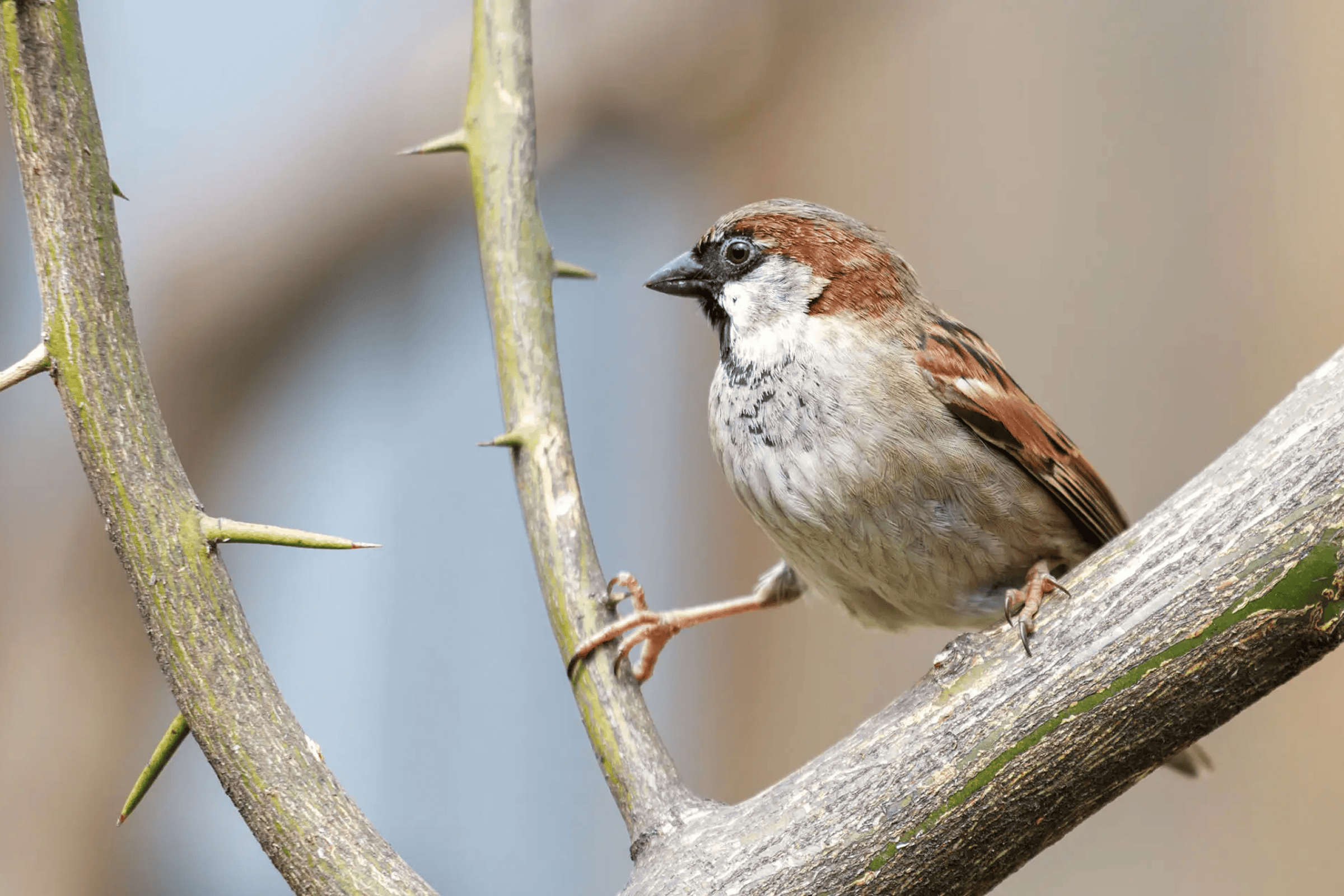
House Sparrow
Just as its name implies, the little house Sparrow socializes with humans more than any other bird species. Able to adapt and thrive in almost any habitat, excluding the extremes such as deserts and mountain peaks, this species was once restricted only to North Africa and Eurasia but now is found across the globe...
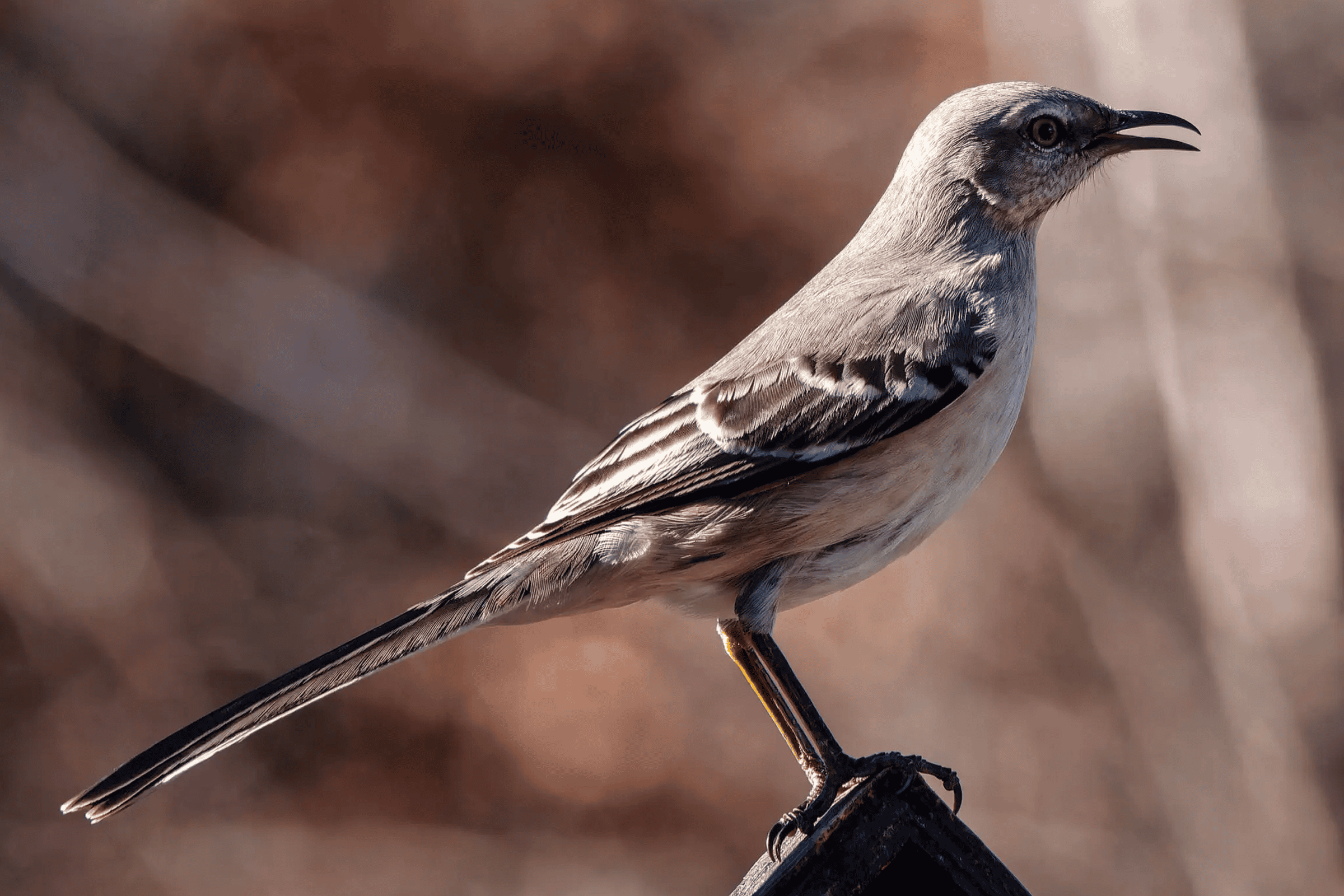
Northern Mockingbird
The northern Mockingbird is able to mimic the sound of more than 30 bird species, but this master mocker has also been known to imitate the sounds of a whistle, frog call, or a dog's bark. The mimicry keeps other birds out of the mockingbird's territory, but it also plays an important role in courtship - the male with the best...
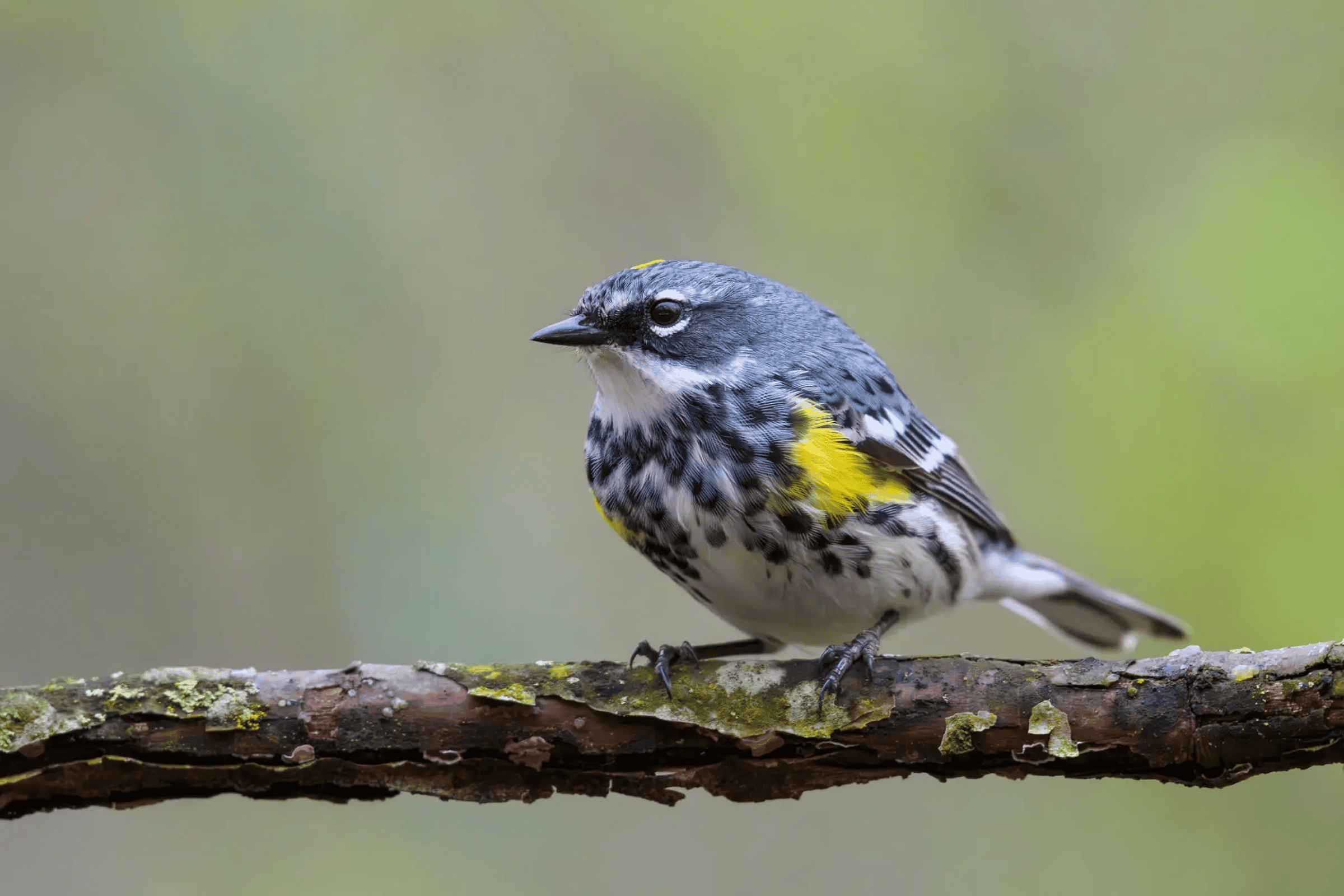
Yellow-rumped Warbler
The foraging yellow-rumped Warbler is quick-moving and appealingly colored. Both male and female are a sharp gray, with white on their wings and flashes of yellow on their rump (as the name suggests), sides, and face. Most striking about this bird is the large groups of them that spread across North America in th....
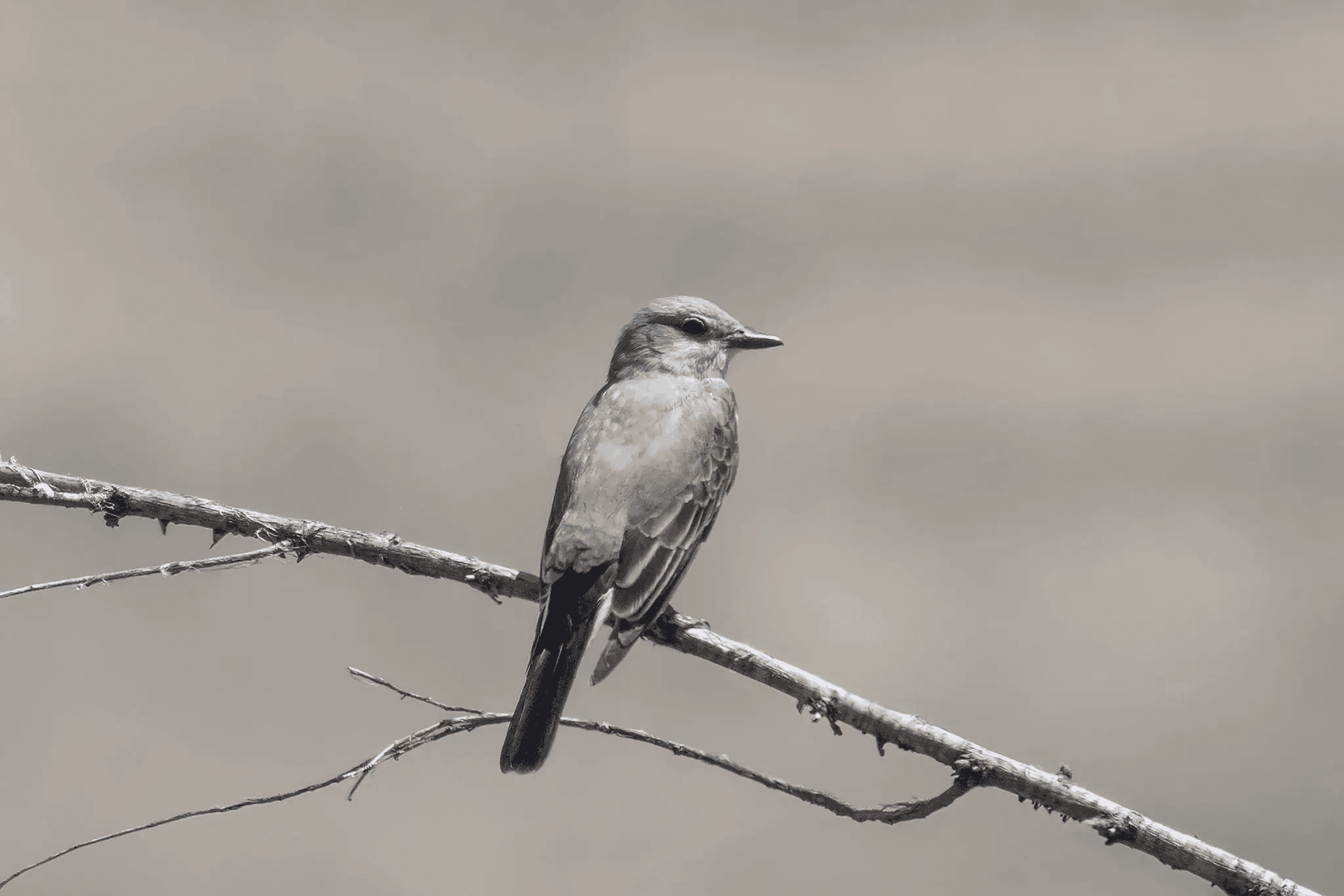
Cassin's Kingbird
Adults have a gray head with slightly darker cheeks; a dark unforked tail with a buffy fringe and gray-olive underparts. They have a pale throat and deep yellow lower breast. Juveniles are duller and have pale edges on their wings. Measurements: Length: 8.3-9.1 in (21-23 cm) Weight: 1.6 oz (45 g) Wingspan: 4...
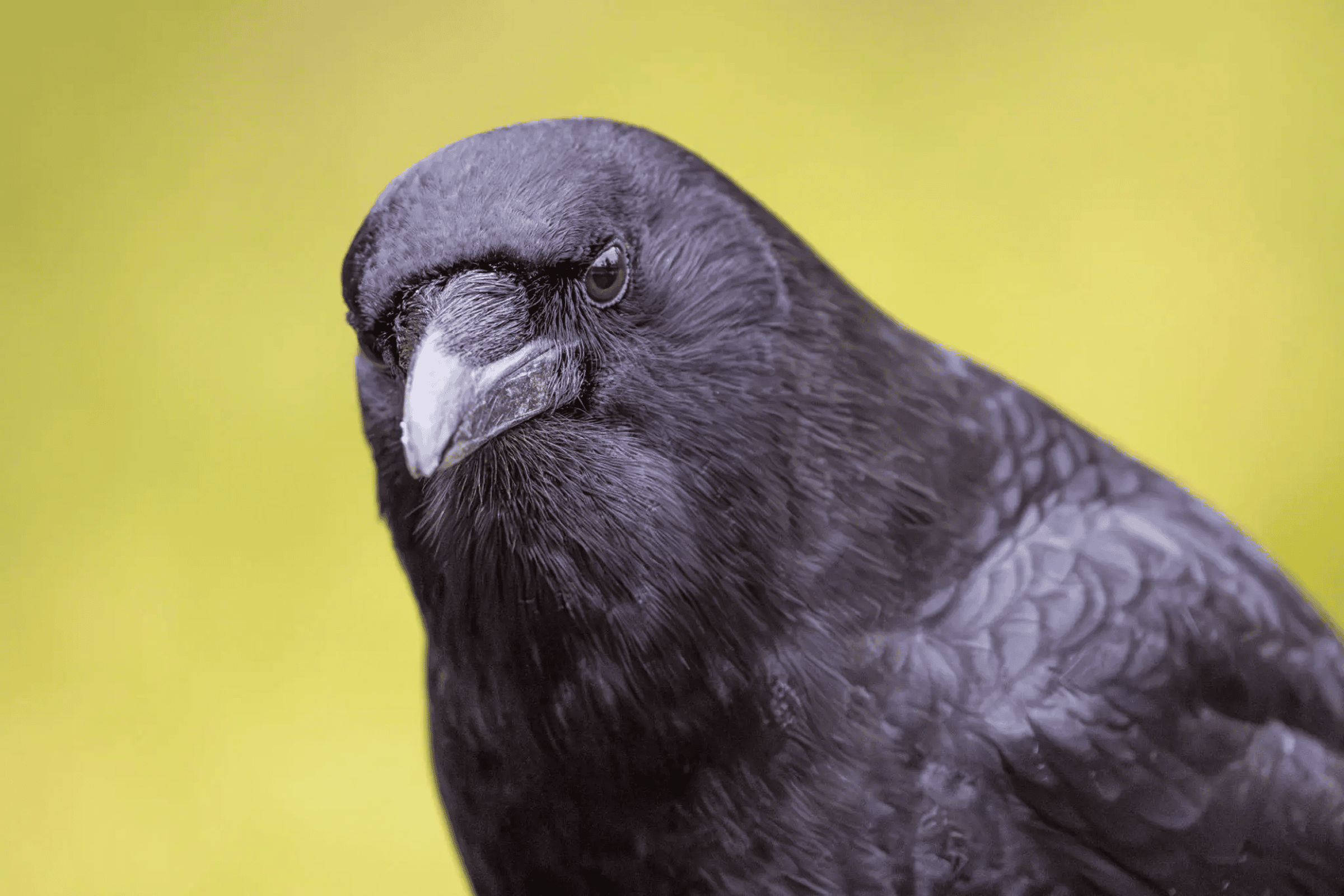
Common Raven
The common Raven is one of the most ubiquitous species of birds and is revered for its high intelligence. These birds prefer open habitats, but can be found in nearly all environmental conditions besides rainforests. As a social species, some subspecies of common Raven have been known to have 15 to 33 different...
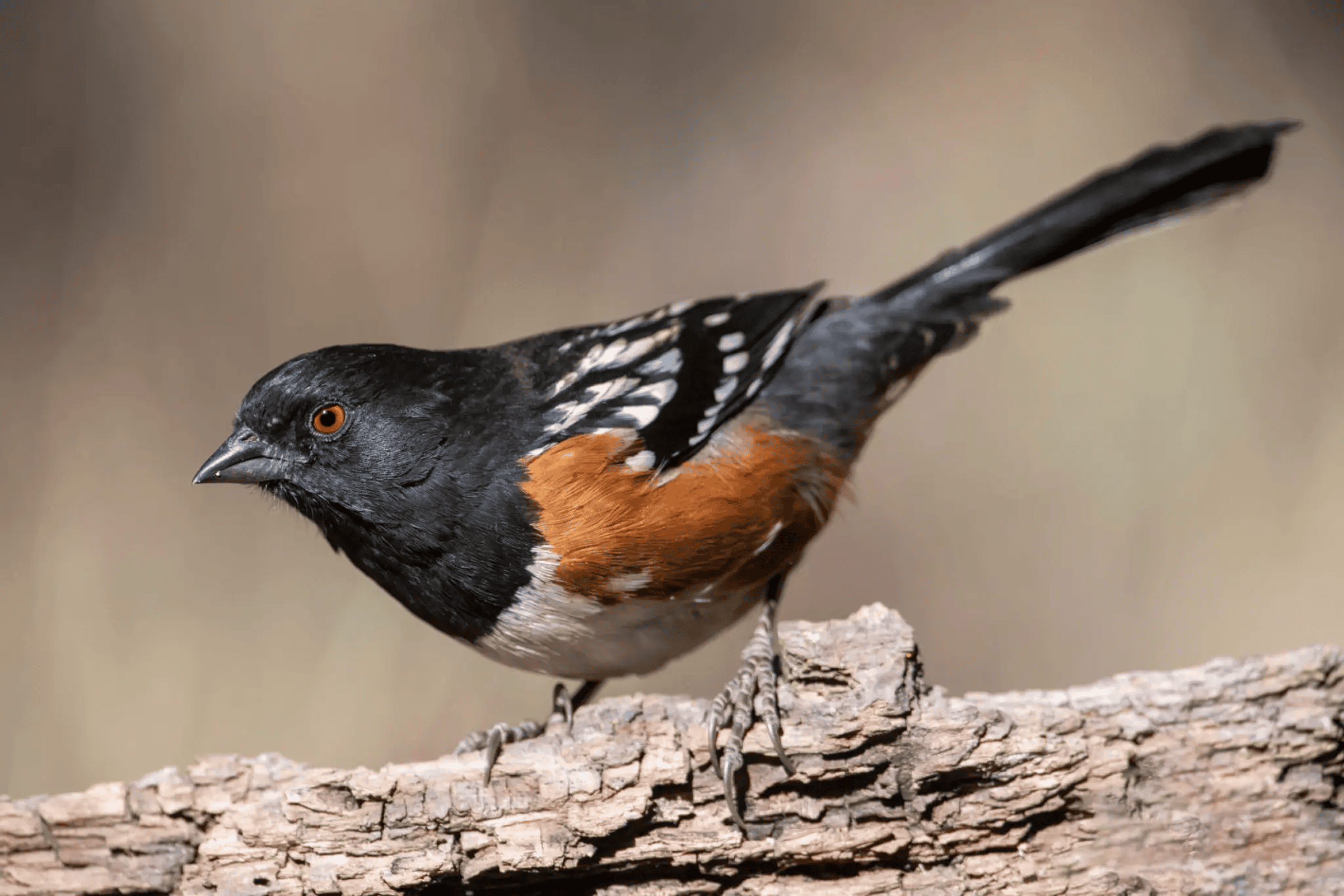
California Towhee
This california Towhee looks basically like a larger sparrow, sharing the beak designed for seed cracking, the long tail, and the short, round wings. Their longer tail and shorter wings, however, give them a less graceful look while they're in flight. This bird is unique in its uniform, matte brown coloring across the entire body
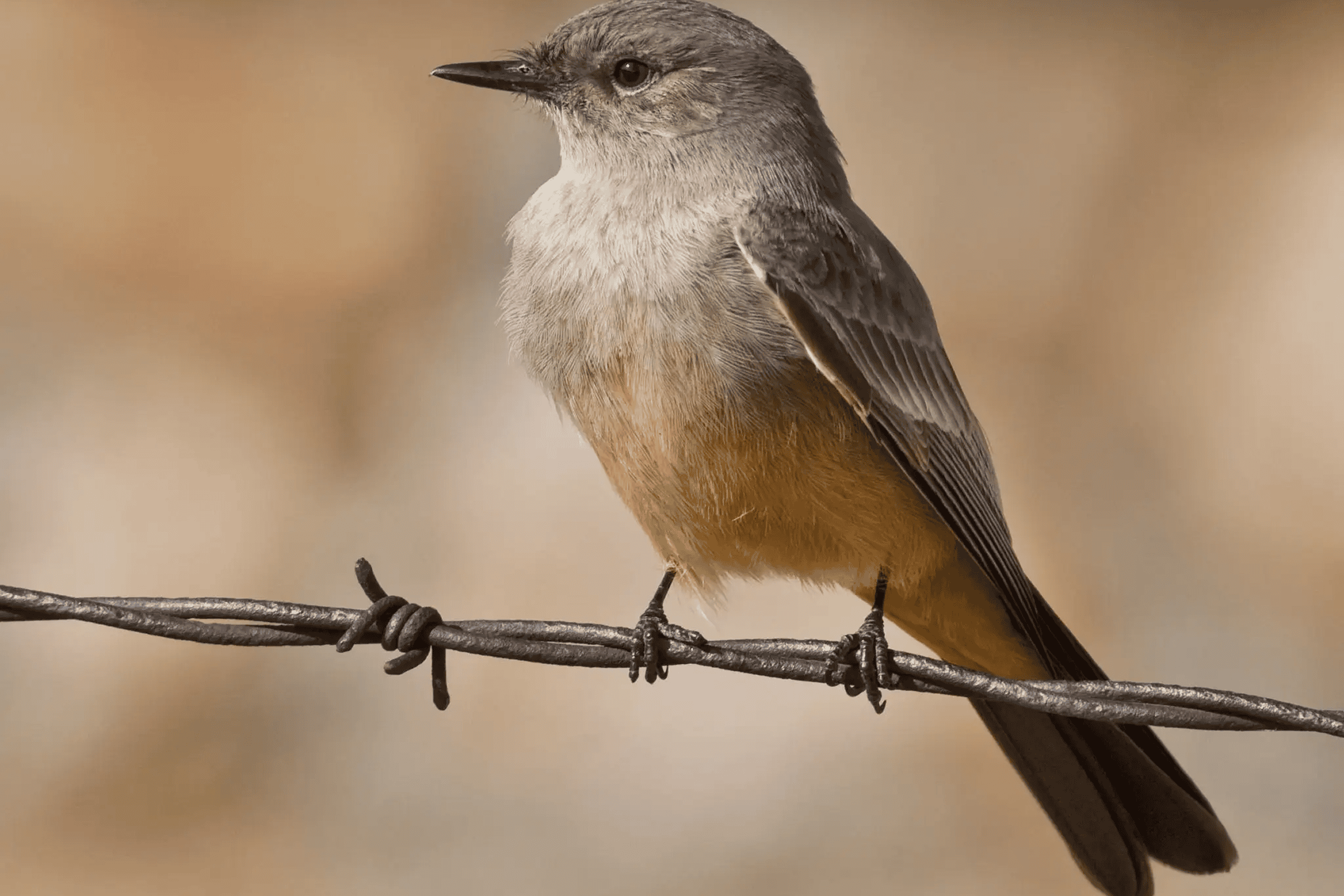
Say's Phoebe
The say's Phoebe is a bold species of bird often found nesting in homes, buildings, and other developed areas where it will continue to come back year after year. Fossil records show that these birds have been present in some areas for 400,000 years. The say's Phoebe is named after the "father of American entomology,"
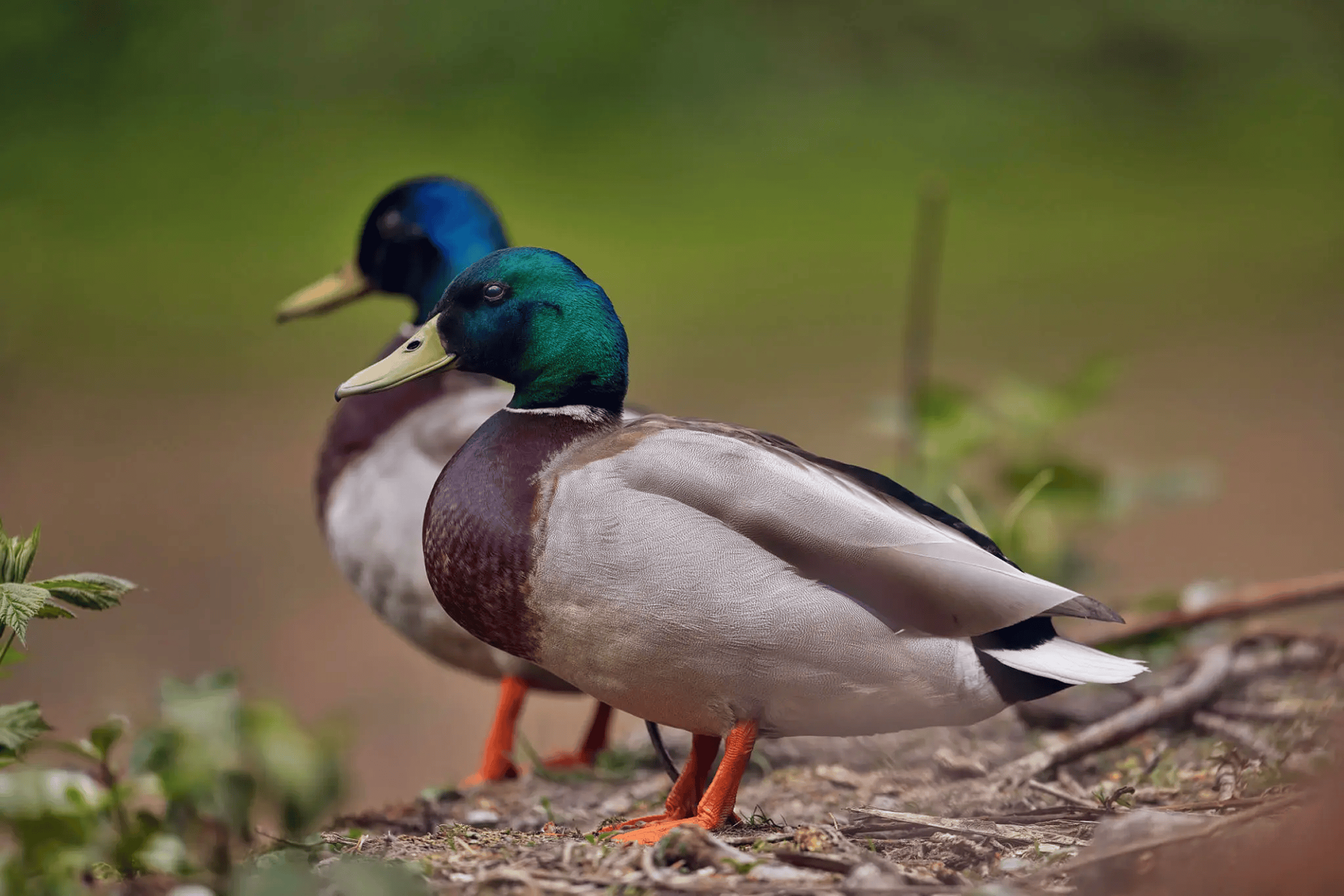
Mallard
The mallard is the most abundant duck species in the world, and the ancestor of all domestic ducks. Only the female can produce the distinctive "quack" sound. When the female lays eggs, the male abandons its mate, while the protective mother stays with the ducklings for a long time. This migratory species inhabits shallo..
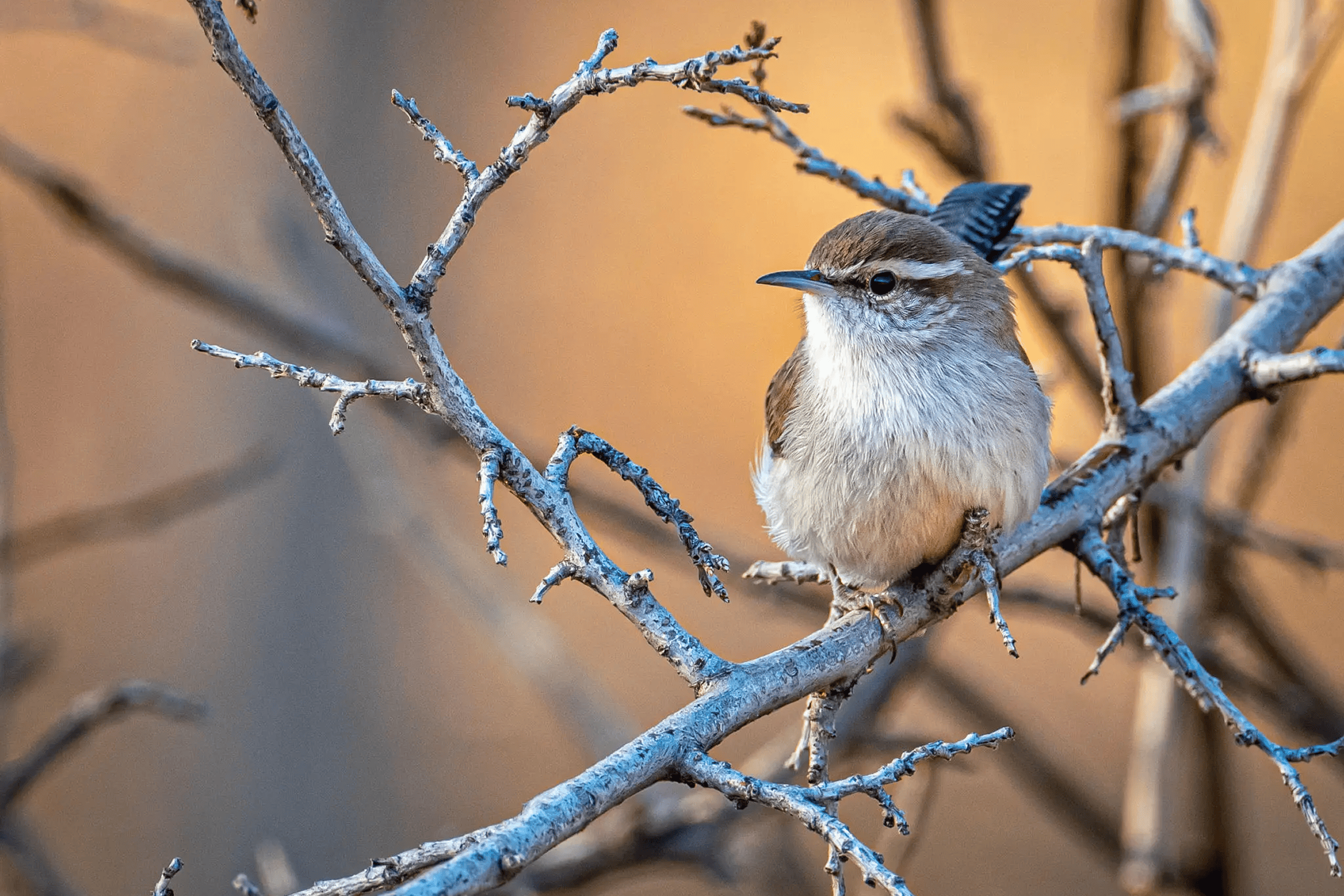
Bewick's Wren
The Bewick's wren has an average length of 5.1 inches (13 cm) an average weight of 0.3 to 0.4 ounces (8-12 g), and a wingspan of 18 cm. Its plumage is brown on top and light grey underneath, with a white stripe above each eye. Its beak is long, slender, and slightly curved. Its most distinctive feature is its long tail with bla..
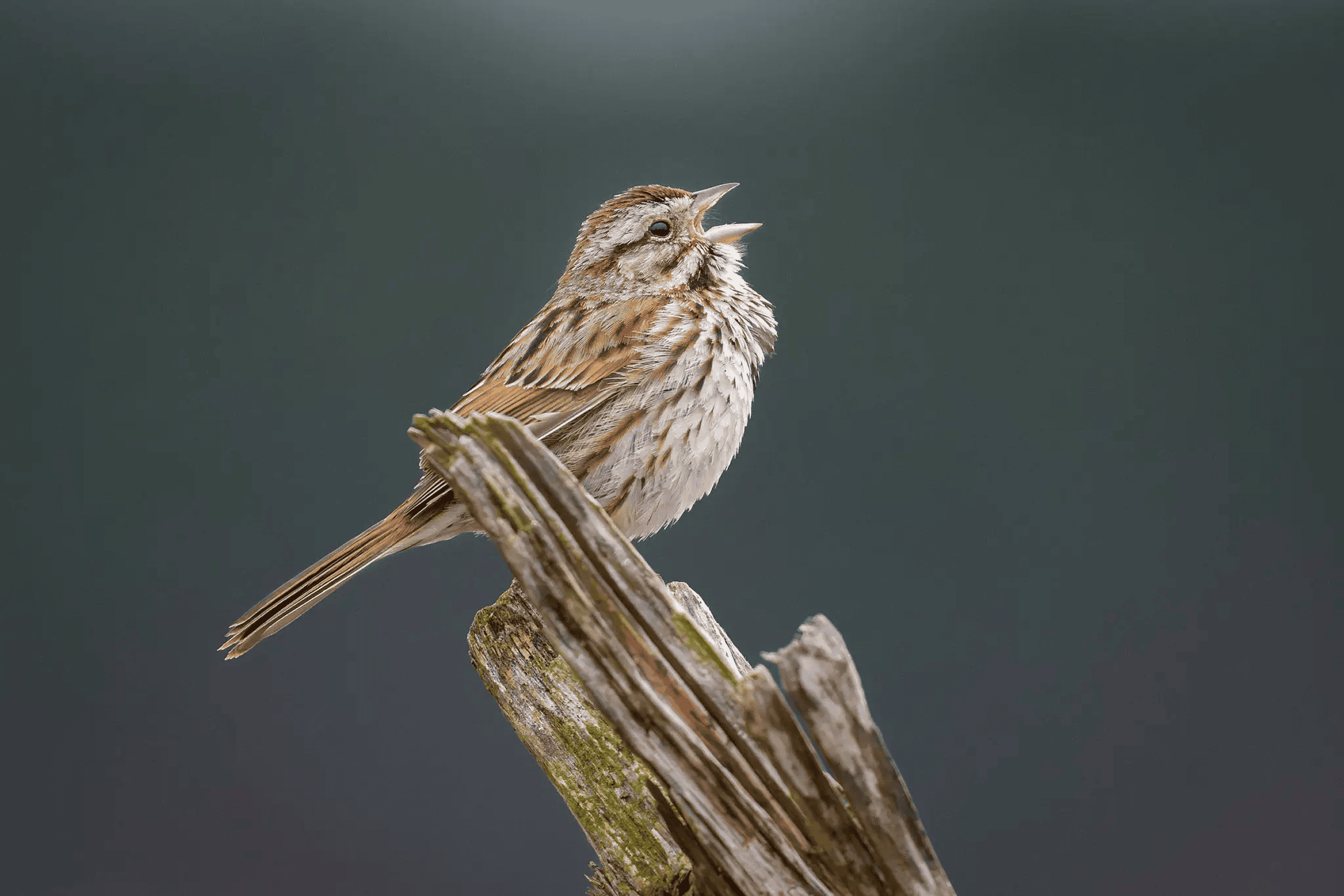
Song Sparrow
The song Sparrow can be found low to the ground in vegetation and thickets in nearly all habitat conditions, including suburban areas. They are frequent visitors to home birdfeeders but can also be seen foraging for food on the ground. Their appearance can differ across the 24 known subspecies, but all of them tend to on..
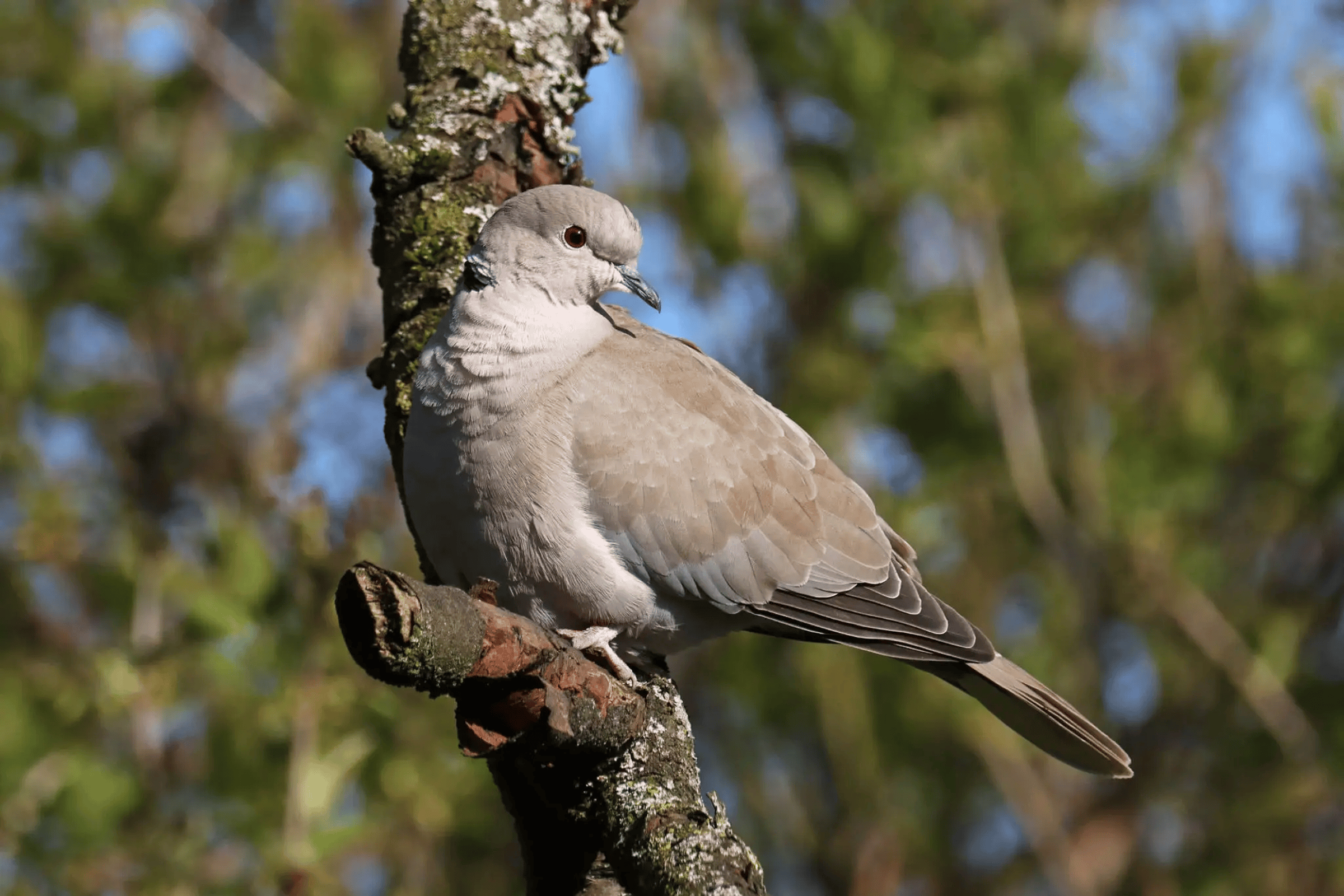
Eurasian Collared-dove
This plump, pretty dove with a square-tipped tail is known for bobbing its head and flicking its tail while walking. Though nice to look at, many people are not pleased at the sight of a eurasian Collared-dove walking along. In North America they are considered an invasive species, and one that carries a disease-..
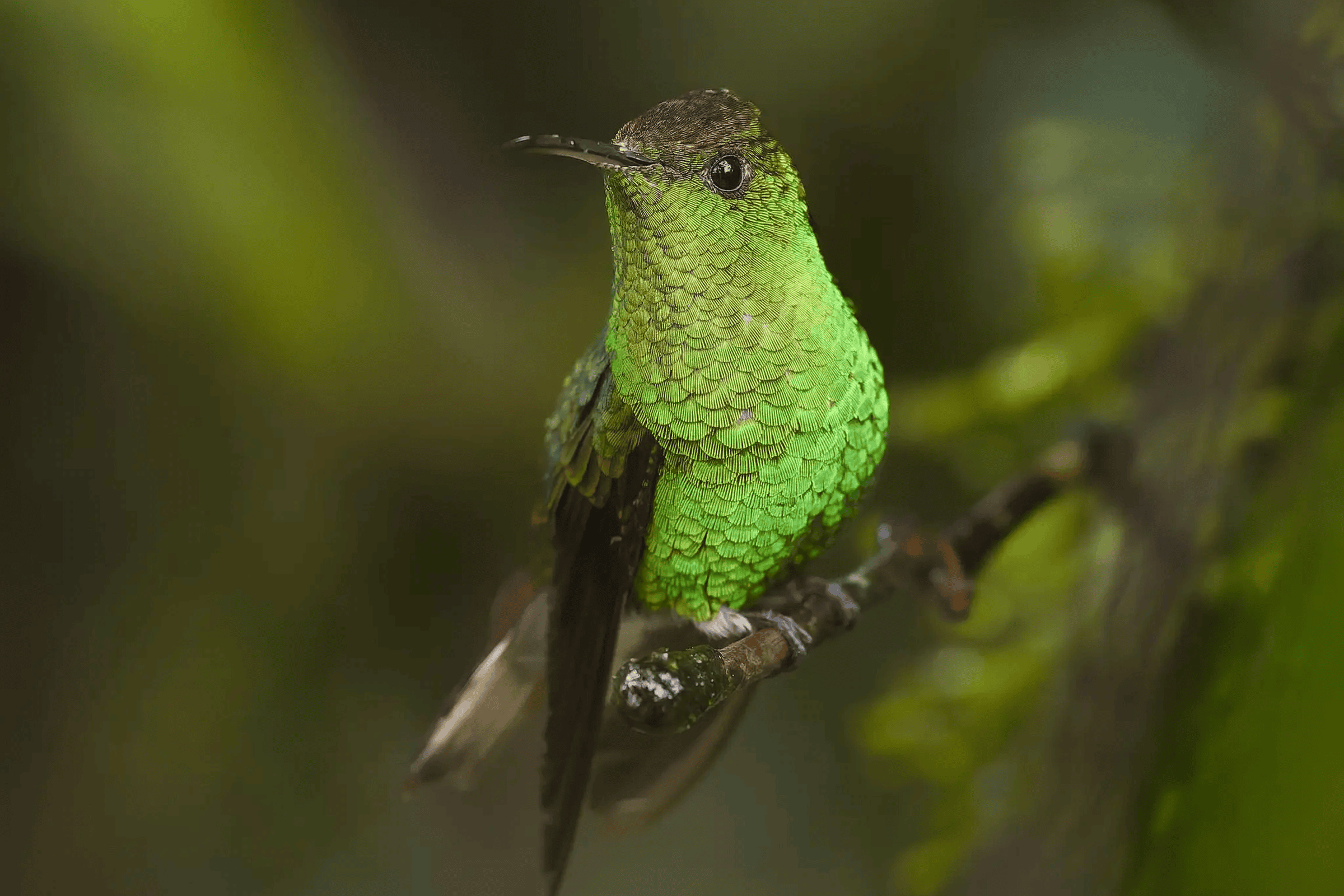
Costa's Hummingbird
The male Costa's has a mainly green back and flanks, a small black tail and wings, and patches of white below their gorgeted throat and tail. Its most distinguishing feature is its vibrant purple cap and throat with the throat feathers flaring out and back behind its head. The female Costa's hummingbird is not as distinct as t...
14 Native Plants That Attract Native Birds in the Inland Empire
The following list are native plants that local native birds use for feeding, nesting and surviving.
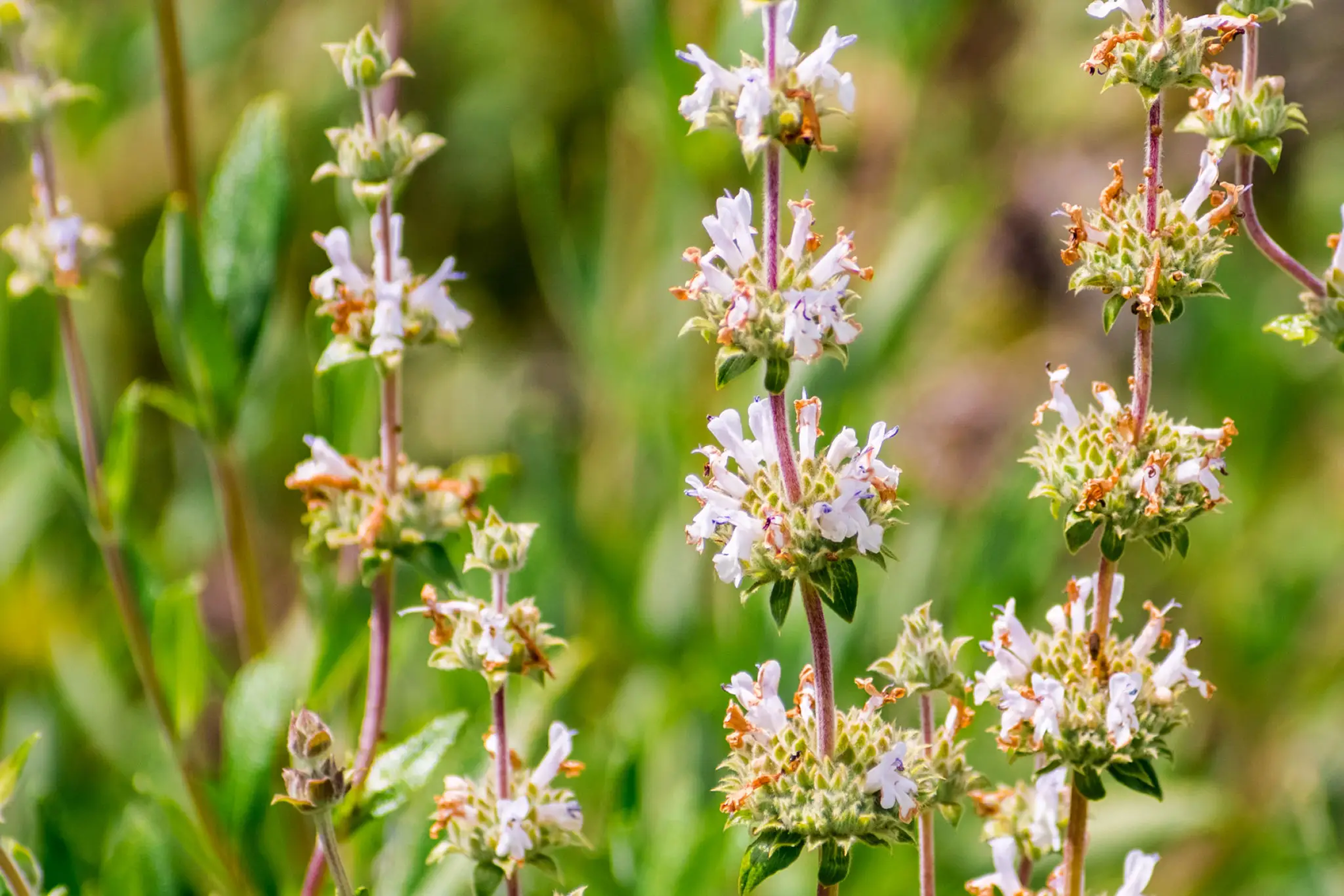
Black Sage (Salvia melifera)
This is a good pollinator plant, like White Sage very few insects are adapted to this plant
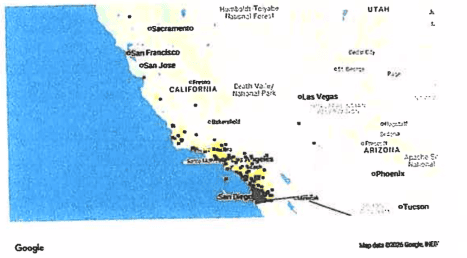
Data provided by the participants of the Consortium of California Herbarig View additional distribution information on the Jepson eflora
California Buckwheat
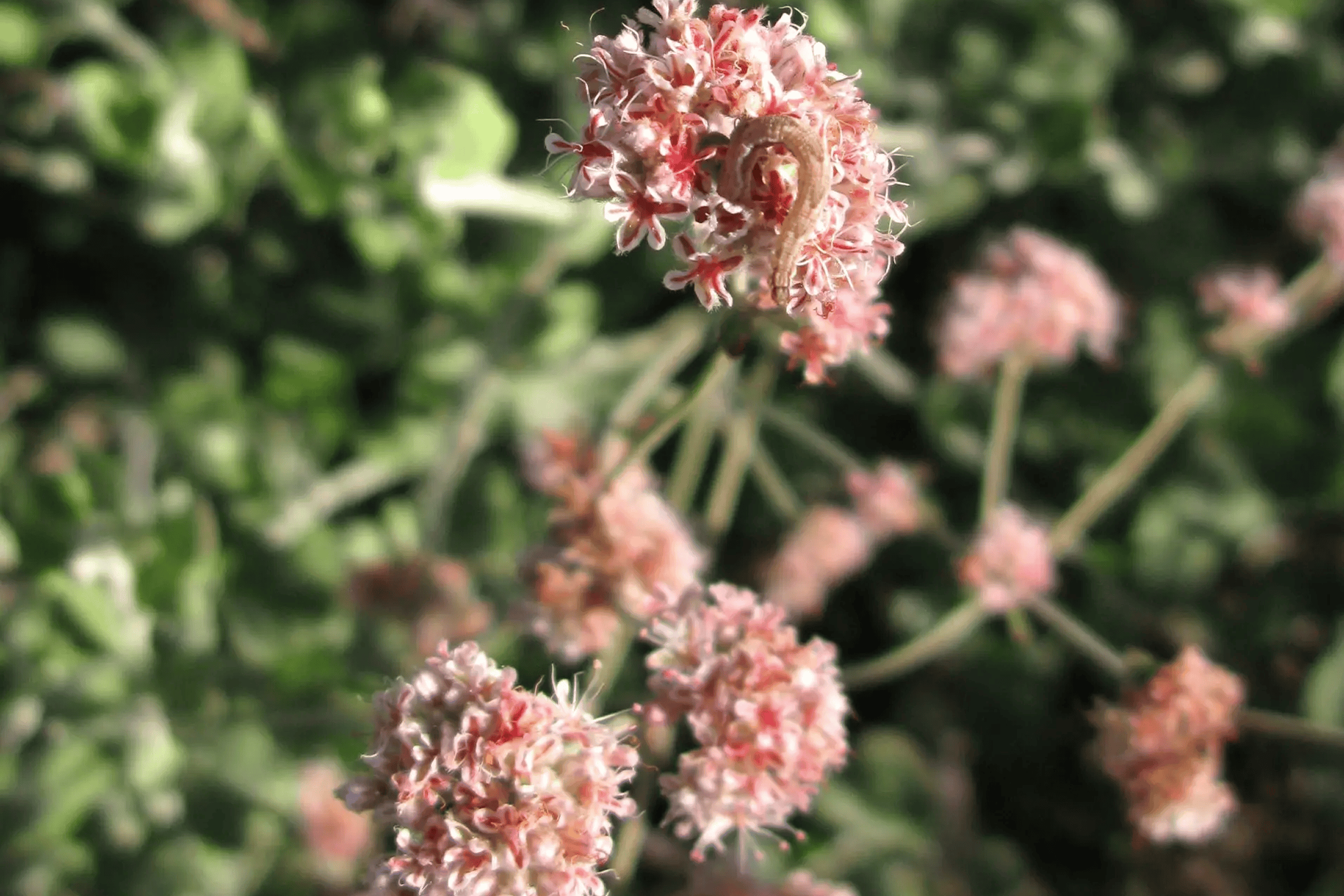
Eriogonum fasciculatum var fasciculatum
California Buckwheat (Eriogonum fasciculatum) I suspect this is a keystone species in southern California, so incredibly valuable plant. There are many insects that feed upon the foliage, flowers, and seeds of this plant. May have a greater diversity of insects than any other southern California plant
Data provided by the participants of the Consortium of California Herborig View additional distribution information on the Jepson eflora of Sedva
Plant description.
California Buckwheat (Eriogonum fasciculatum var. fasciculatum) is a common native that grows in southern Caforio. It tends to grow in dry south facing slopes at elevations from 0-7500 feat.
California Fuchsia
Eschscholzia californica ssp. californica
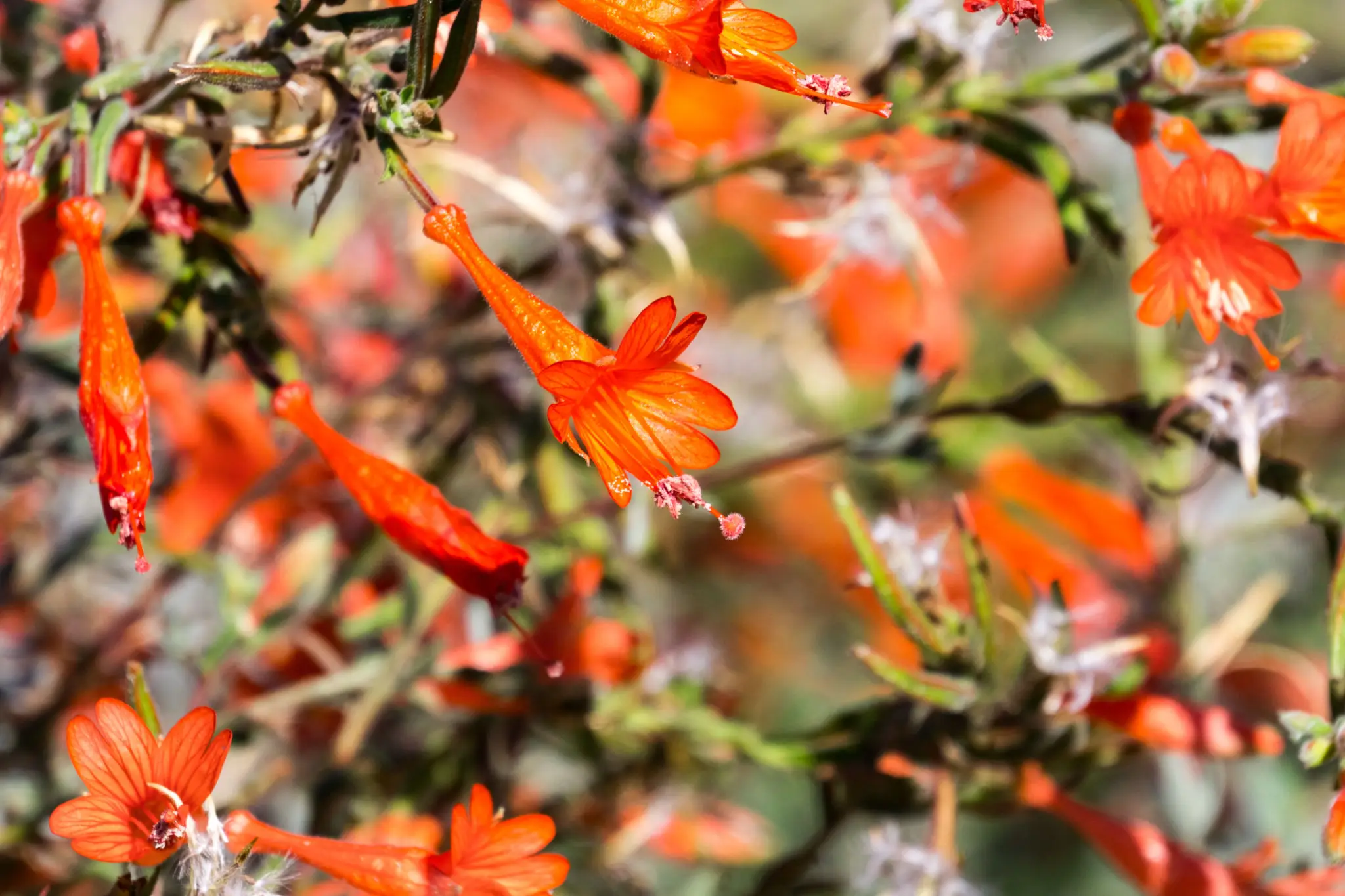
California Fuchsia (Epilobium canum): One of the best summer bloomers, its scarlet tubular flowers are a magnet for hummingbirds.
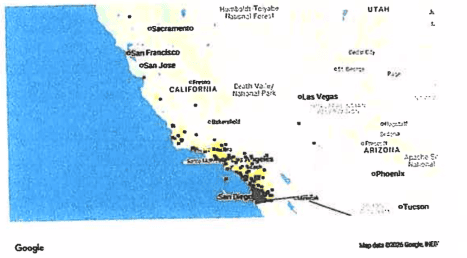
Data provided by the participants of the Consortium of California Herbaria View additional distribution information on the Jepson eflora
Plant description
California Fuchsia (Epilobium canum ssp. canum) is a native perennial herb that grows in northern, southern and central California. It tends to grow in dry slopes and ridges, at elevations from 0-4900 feet.
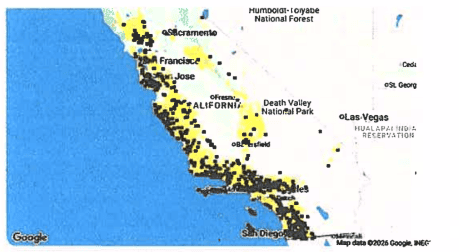
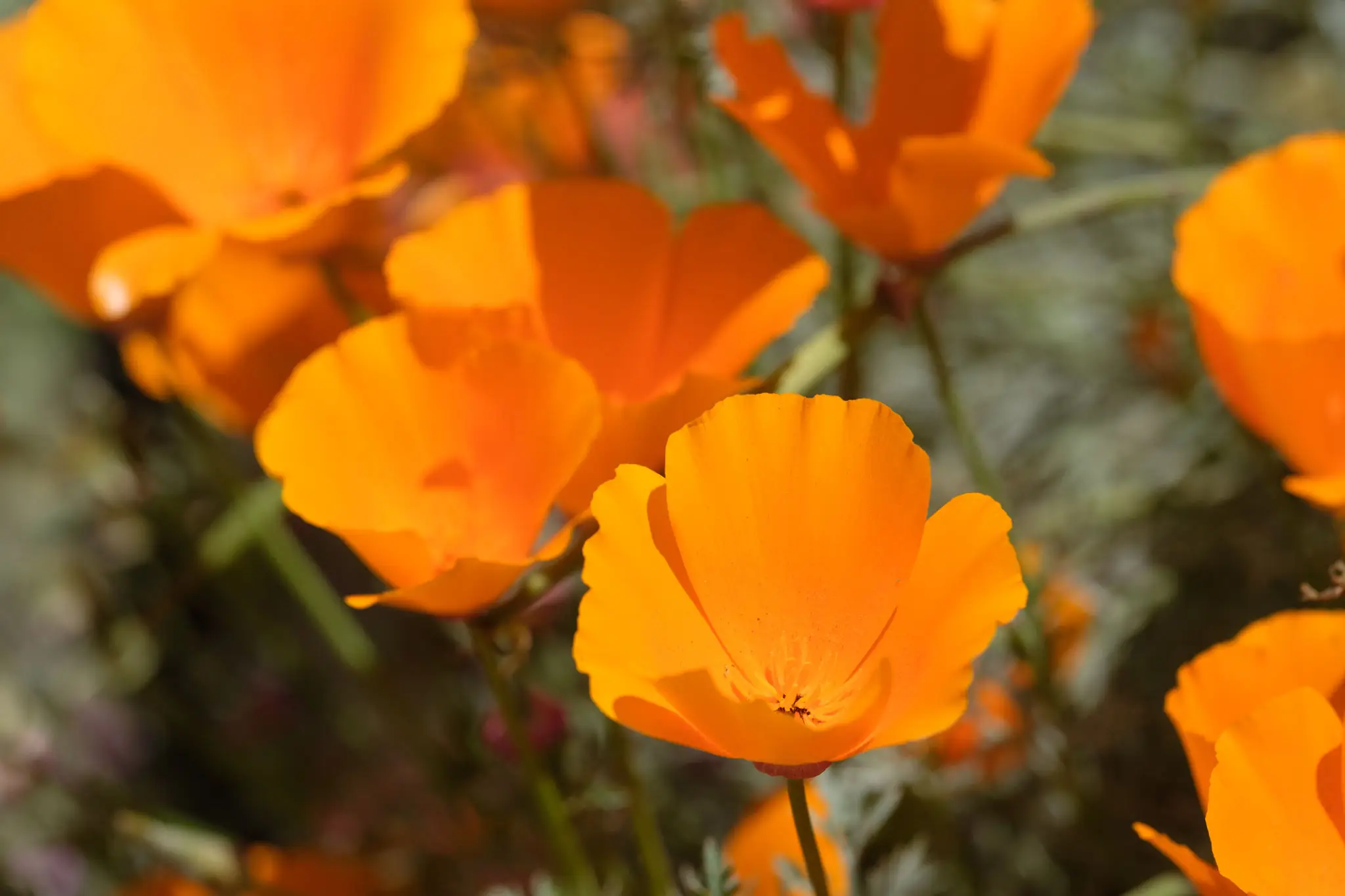
California Poppy (Eschscholzia californica) This plant is beautiful, but of very little value to animals, particularly birds. Most pollinators once they have experienced the flowers no longer go back. Mexican Elderberry (Sambucus mexicana) is one of the most valuable plants to birds. It is great for pollinators and some insects feed upon the foliage, flowers, and fruit as food plants. Also has a long bloom and fruiting period.
Data provided by the participants of the Consortium of California Herbaria View additional distribution information on the Jepson eflora
Plant description
California Poppy (Eschscholzia californica ssp. californica) is a rare native perennial herb that grows in northern, southern and central California.
California Wildrose
Rosa californica
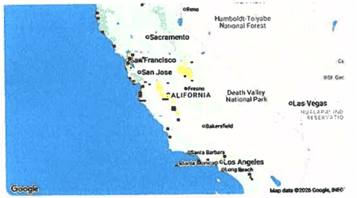
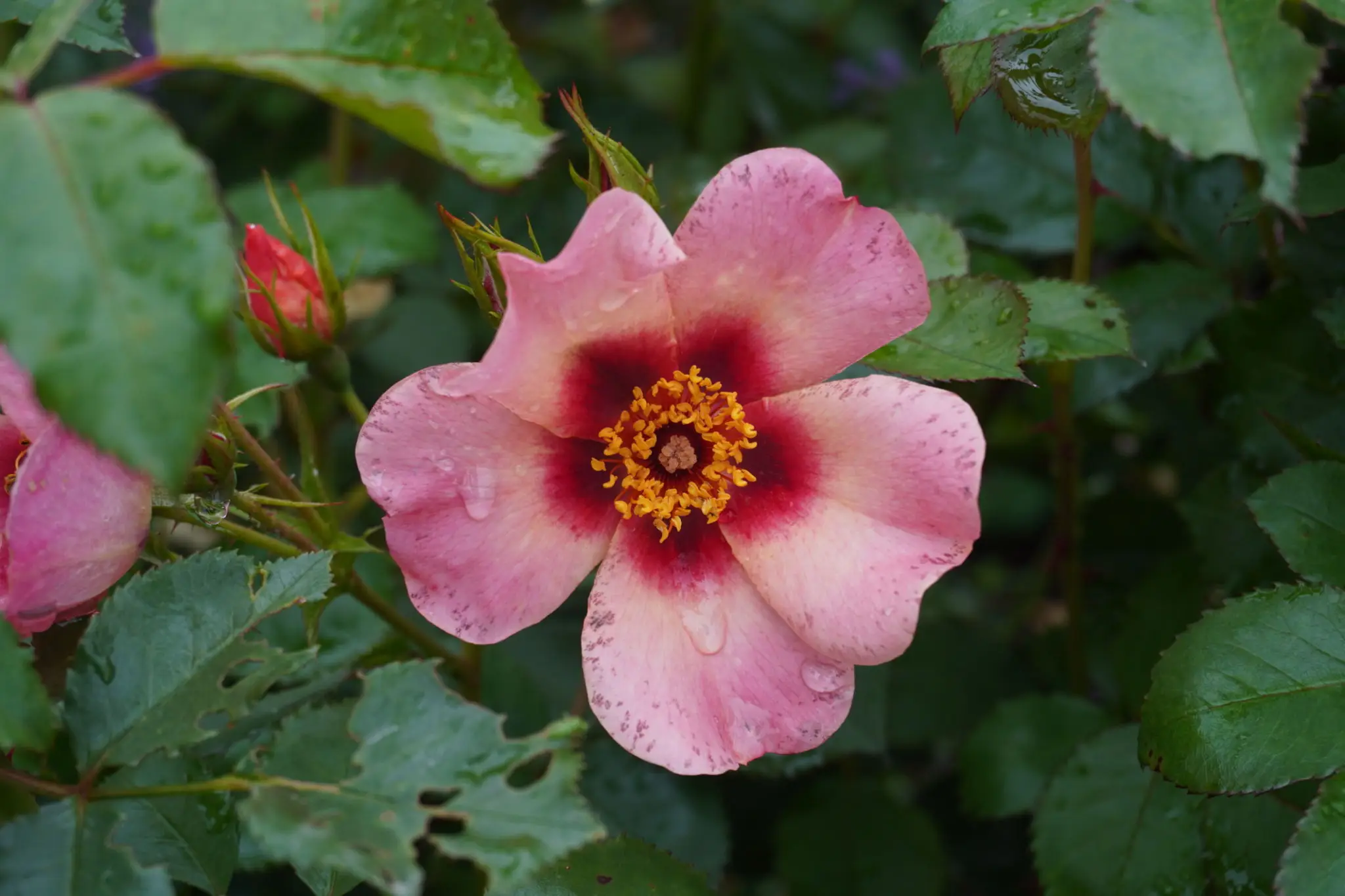
California Wild Rose (Rosa californica): Offers dense, prickly shelter for nesting birds and produces crimson rose hips that birds eat in the fall and winter. Theodore Payne Foundation +3
Data provided by the participants of the Consortium of California Herbaria View additional distribution information on the Jepson eflora
Plant description
With charming open-faced blooms in shades of pink that range from near-white to magenta, the California Wildrose (Rosa californica), a native rose species, adds beauty to any garden or landscape. Its fragrant flowers bloom abundantly through spring and summer. The flowers attract butterflies and other pollinators. In fall, it produces deep red rose hips that provide food for birds.
California Wildrose is easy to grow. It can tolerate low-water conditions but benefits from supplemental irrigation, especially during summer. It grows in different soil types, although it does best in moist, loamy soil. This shrub can form large thickets, making it a good choice for barrier planting. Pruning is not necessary when it has room to grow. Otherwise, light shaping keeps it from overgrowing small spaces.
Chaparral Yucca
Hesperoyucca whipplei
Chaparral Yucca (Hesperopsis whipplei) the flowers are successfully pollinated only by Tegeticula maculata in the lowlands. I suspect that Tegeticula synthetica pollinates at high elevation. Tegeticula maculata is a beautiful yucca moth with golden spots. There is a large weevil that feeds on the Chaparral Yucca after it dies. It only lives for about 10 years, flowers, fruits, and dies. Must have the yucca moth in the area or will not be pollinated.
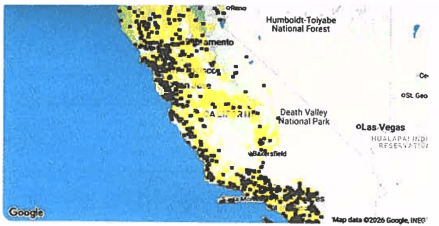
Data provided by the participants of the Consortium of California Herbaria View additional distribution information on the Jepson effora
Plant description
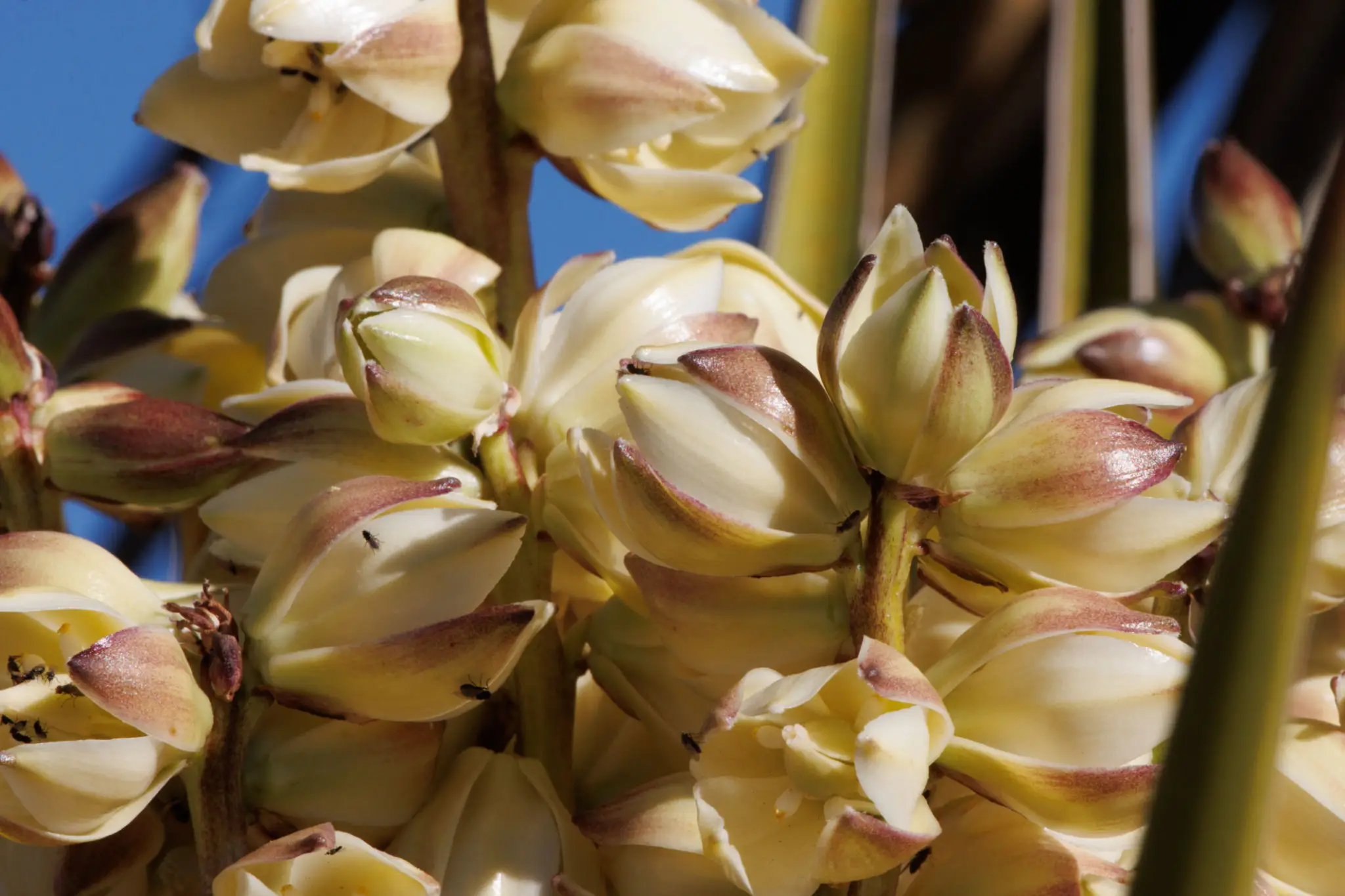
Chaparral yucca (Hesperoyucca whipplei) is a striking, drought-adapted plant known for its dramatic presence year-round and spectacular flowering display. The plant begins as a large, rounded rosette of silver-green, spiky leaves. When mature — typically after 5 to 6 years - it sends up an impressive flower spike that grows 10 to 15 feet tall in just a few weeks. The towering spike is covered with hundreds of bell- shaped flowers, ranging from white to pale purple, creating a stunning visual impact in the landscape.
Native to California and parts of Baja California, chaparral yucca thrives in chaparral, coastal sage scrub, and oak woodland plant communities at elevations of 950 to 8,200 feet. It is well-adapted to rocky, dry soils and plays an important ecological role in its native habitat.
Chaparral yucca forms an exclusive pollinator relationship with the California Yucca Moth (Tegeticula maculata), making it a fascinating example of co-evolution. The moth is the plant's sole pollinator and relies on the yucca for its life cycle. The moth collects pollen from the flowers and deposits it on another flower's stigma while laying its eggs inside the ovary. The developing moth larvae feed on some of the yucca seeds, while others are left to grow and disperse.
Cleveland Sage
Salvia clevelandů
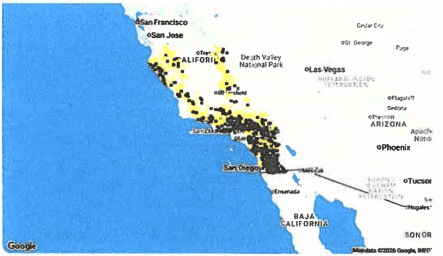
Cleveland Sage (Salvia clevelandii) may be the best sage for the flowers produced, but will not be native to the Menifee area, whereas the other two are
Data provided by the participants of the Consortium of California Herbaria View additional distribution information on the Jepson ellora
Plant description:
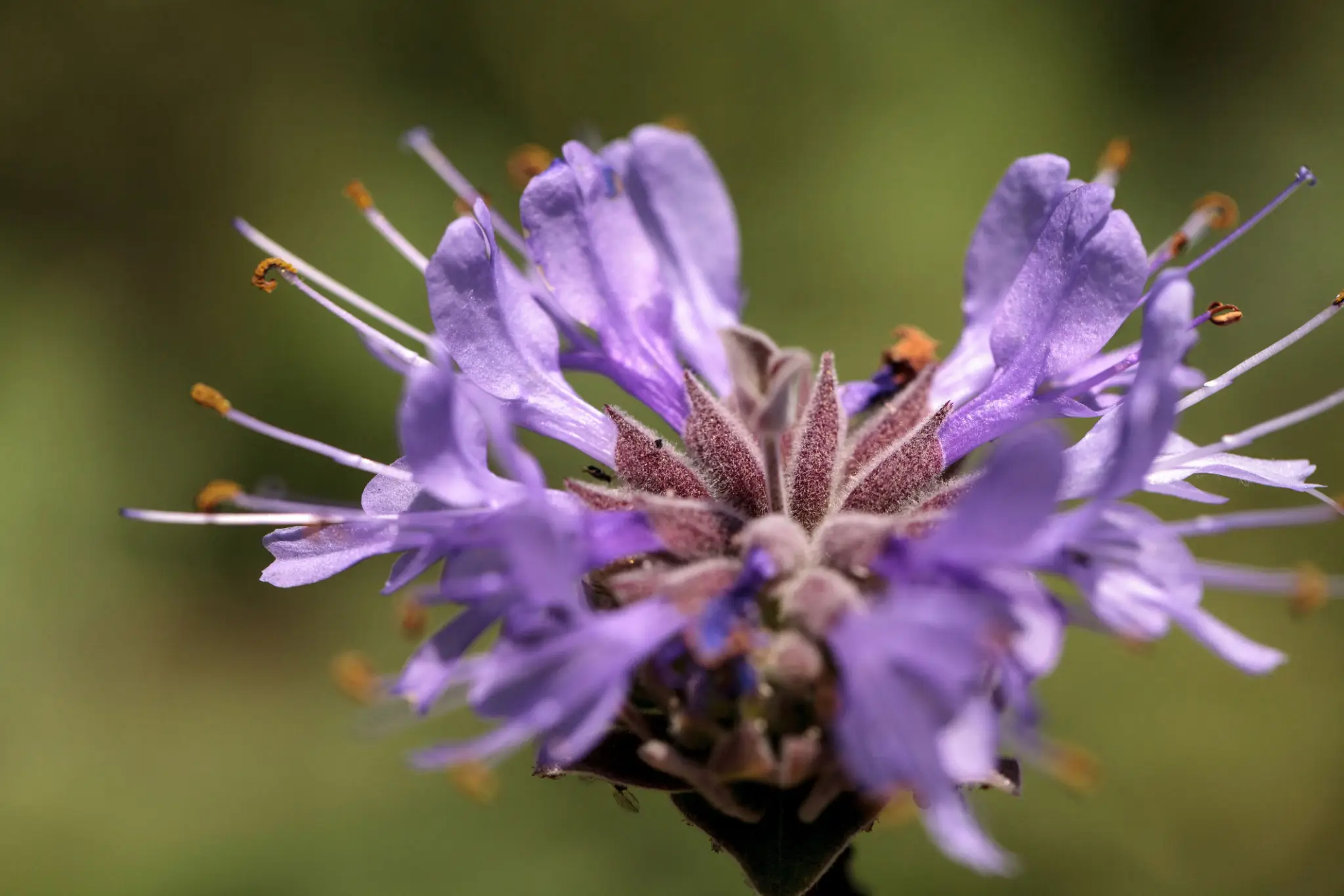
Cleveland sage (Salvia cleveland () is a small, evergreen shrub in the t.fint family (Lamiaceae). The small gray-green leaves are very fragrant, as are the whorls of purple flowers. One shrub can perfume the whole garden on a warm, summer afternoon. Hummingbirds adore the nectar from the tubular flowers It also attracts butterflies, bees moths and other pollinators. This is an important food source during the heat of summer,
It's native to chaparral and coastol sage scrub in Southern California where it survives on annual rainfall afore Plant Cleveland sage on well-drained flats, bluffs or gentle slopes for best results Limit summer water to no more than orce per month, although, no irrigation in summer after a year or to s best. This sage is arguably one of the most fragrant. Several cultivars and hybrids that are often available in nurseries are Winnifred Gilman, Allen Chickering, Aromas, Pozo Blue, and Whirly Blue', and 'Celestial Blue'.
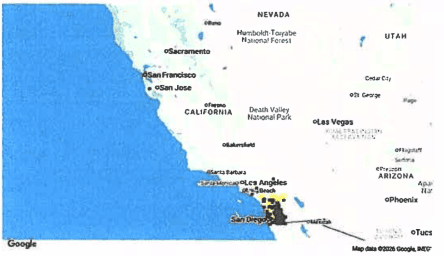
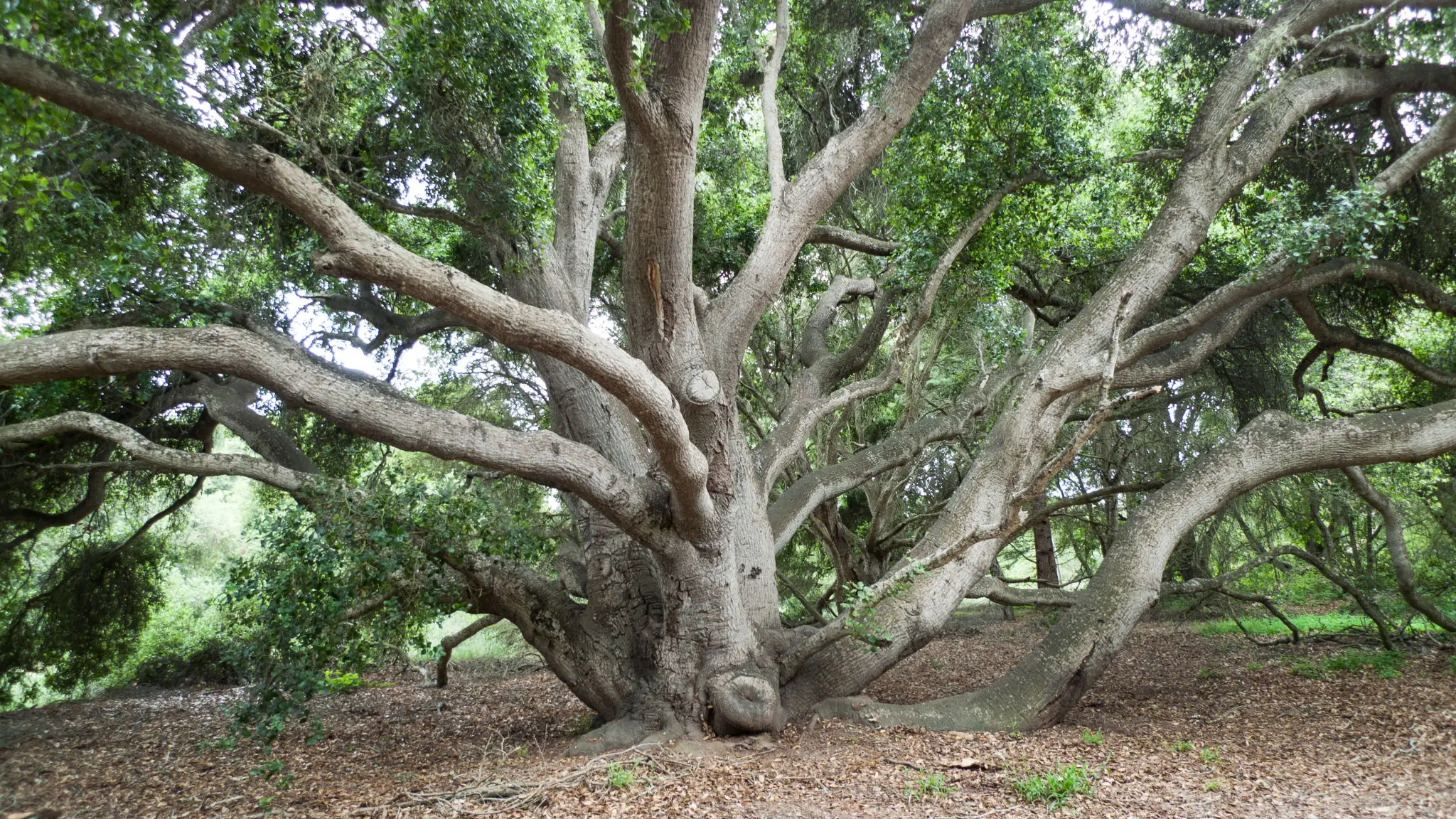
Coast Live Oak (Quercus agrifolia): A vital canopy tree that acts as an entire ecosystem, providing acorns for jays and housing countless insects that warblers and titmice eat. Theodore Payne Foundation +3
Data provided by the participants of the Consortium of California Herbaria View additional distribution information on the Jepson ellora
Plant description
Quercus agrifolia var. agrifolia is one of two recognized varieties of this popular tree. The other variety is var. oxyadenia. Both are known as Coast Live Oak (see description of Quercus agrifolia for more details regarding the species). Differences between the two varieties and the primary species are very subtle var. agrifol a is found along the coast from Sonoma County southword. Gardening recommendations are the same as for Quercus agrifolia
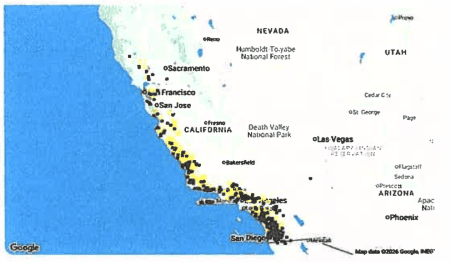
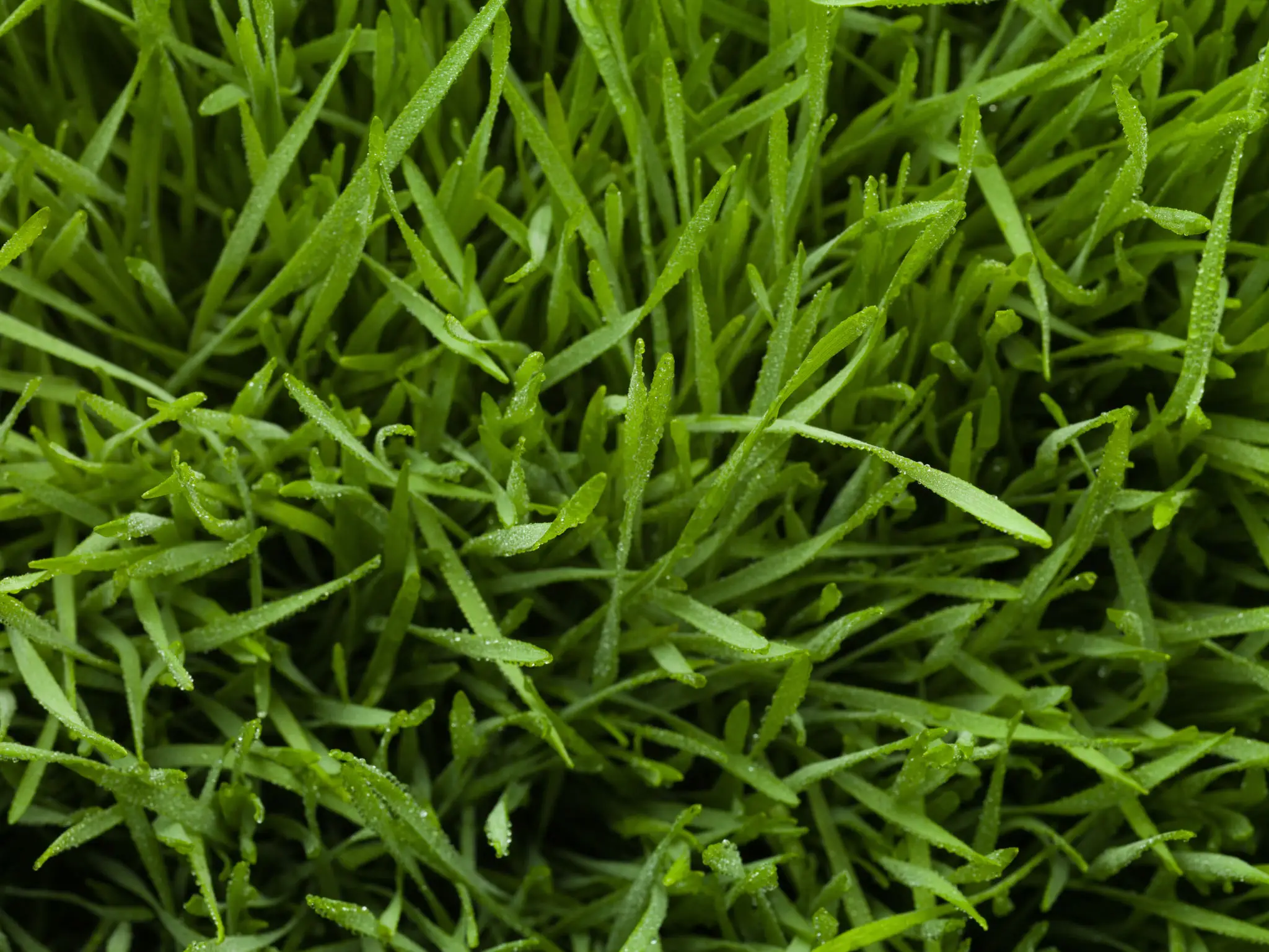
Deer Grass (Muhlenbergia rigens): A large, elegant bunchgrass that provides seeds for sparrows and finches, as well as excellent ground cover and nesting materials. California Native Plant Society +4
Get ready for architectural drama! Deergrass brings incredible texture and movement to the garden with its fountain-like form and gorgeous plumes. This native grass is like living sculpture that sways beautifully in the breeze.
The tall, elegant flower spikes emerge in fall, creating stunning purple- tinged plumes that catch the light beautifully. The narrow, blue-green foliage forms perfect rounded clumps that look amazing year-round. This drought-loving native is incredibly versatile-use it as a specimen, in mass plantings, or to create natural screens. It's fire- resistant and provides important habitat for native wildlife. Stunning form meets practical benefits-it's the perfect ornamental grass!
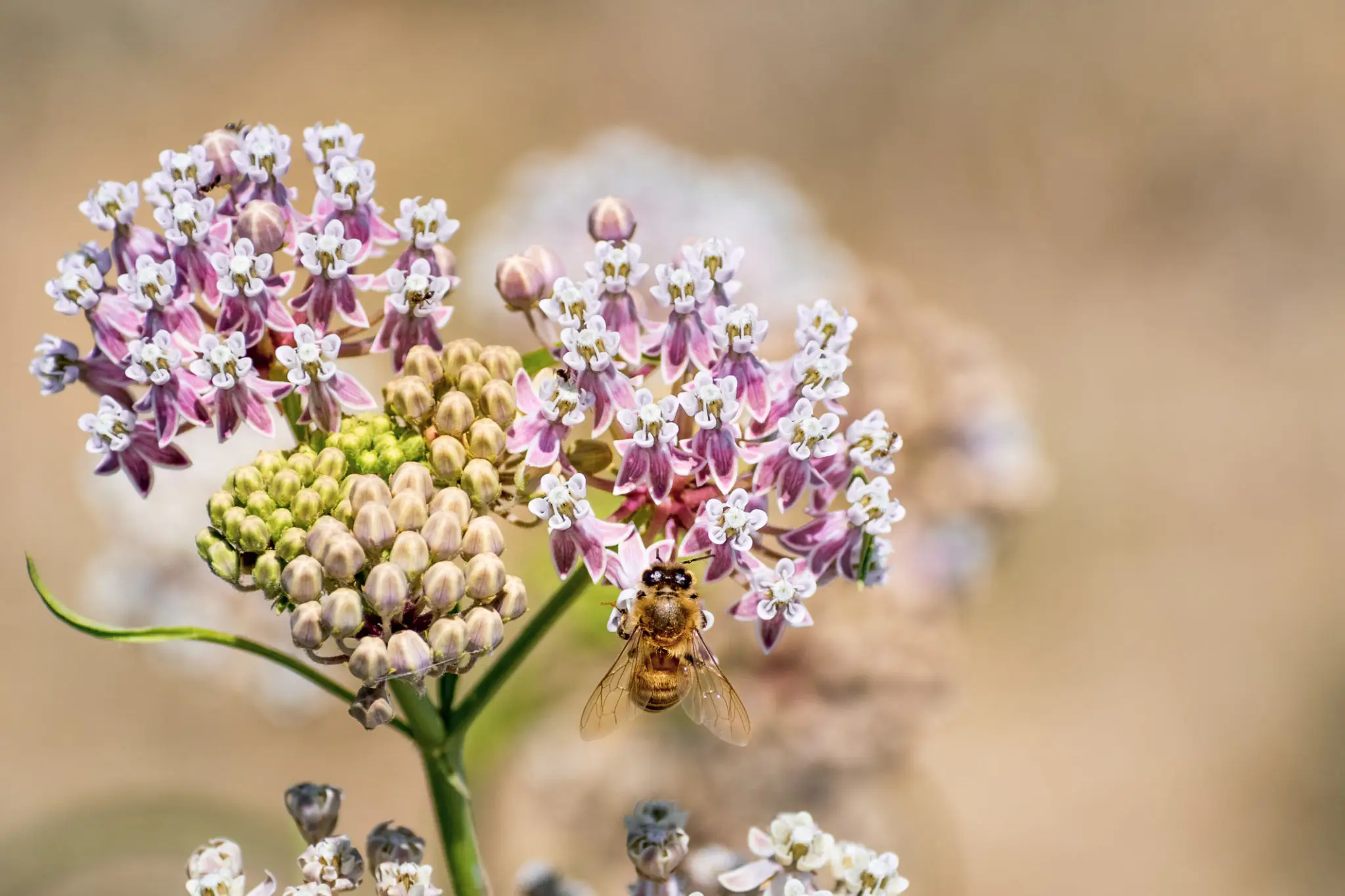
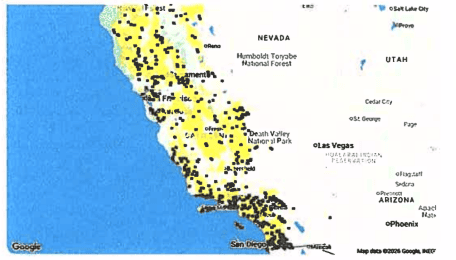
Narrowleaf Milkweed (Asclepias fascicularis): Not only vital for butterflies, but orioles and other birds also actively glean from it to construct their nests. Las Pilitas Nursery
Data provided by the participants of the Consortium of California Herbaria View additional distribution information on the Jepson eflora
Plant description
Narrowleaf Milkweed (Asclepias fascicularis) is a flowering perennial best known for the Monarch butterfles it will attract into the garden. Its long, thin pointed teaves give the plant a soft, wispy look. It blooms in summer to fall, with clusters of lavender or pinkish white flowers, each one an interesting button shape. The fruits are smooth pods which split open to spill seeds along with plentiful silky hairs that may carry the seeds through the air.
This plant grows fast to 3 feet tall and is dormant in Winter, often dying back to the ground. It will take full sun but is adoptable to most conditions being easy to grow in soils with good drainage, even with no summer water. It can self-seed if the seed pods are not removed
This species is probably the single most important host plant for Monarch Butterflies in California. attracting them and hosting their caterpillars. It is crucial to not use any pesticide on or around the plant, because doing so v. ll be fatal to the caterpillars. The plant also provides resources for many
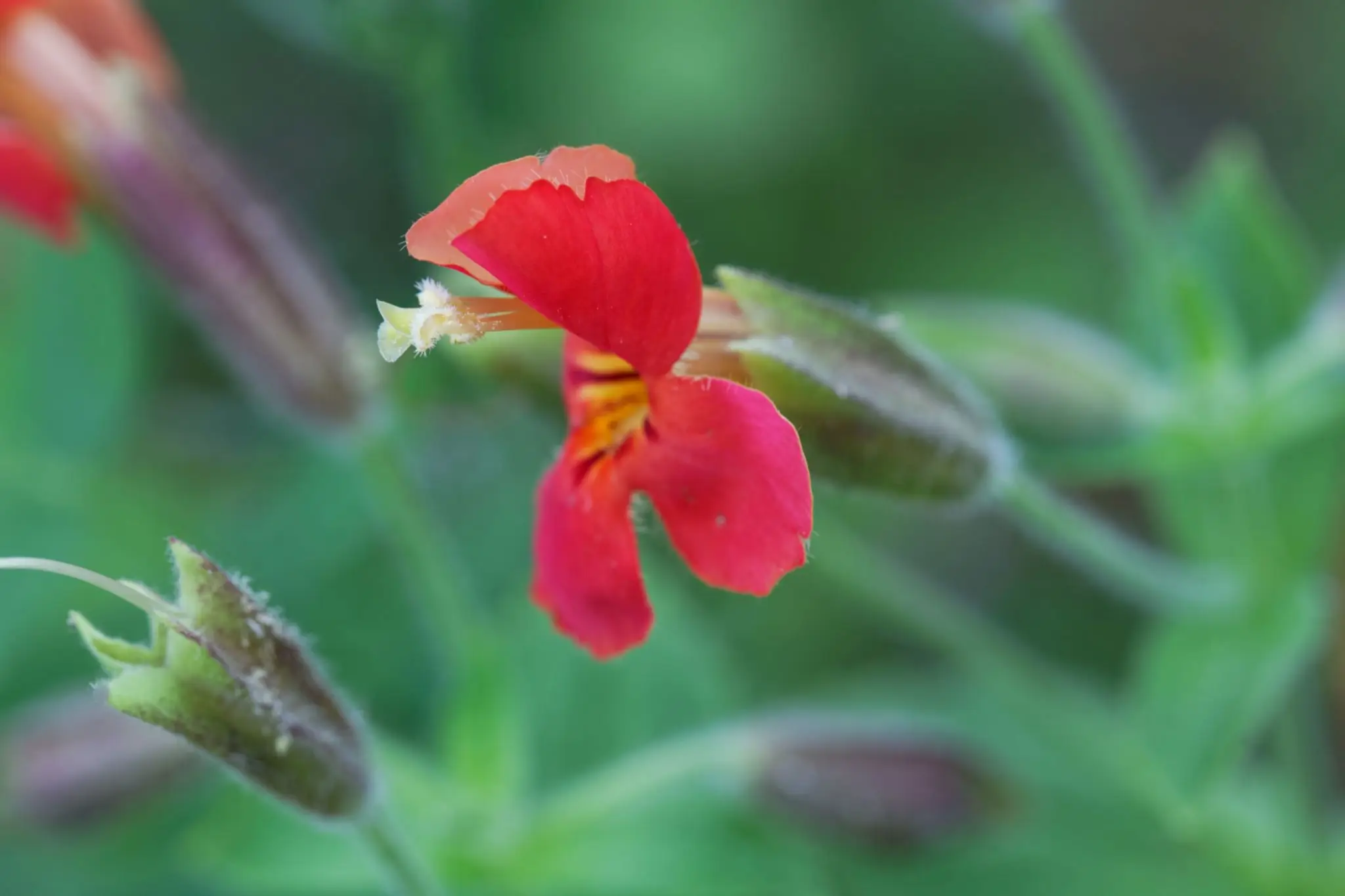
Red Bush Monkeyflower
Diplocus puniceus
Sticky or Bush Monkeyflower (Mimulus aurantiaca) has a lot of neat pollinators. There are some insects that feed on the foliage, such as the Chalcedon Checkerspot but there is not a large diversity of insects. The bush penstemon (Keckiella antirrhinoides) would be a much better plant since more insects feed unnn the foliage of this plant.
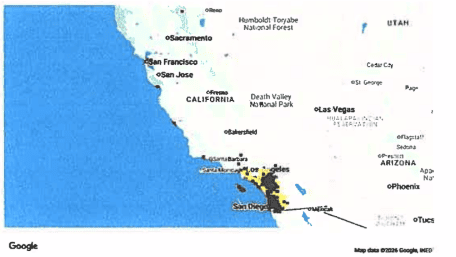
Data provided by the participants of the Consortium of California Herbang View additional distribution information on the Jepson effora
Plant description
Bush Monkey Flower (Diplocus puniceus) is a small shrub native to the coast areas of Southern California It grows to about 2 feet high has dark green leaves, and bright red trumpet-shaped flowers that can lost for most of the year. However, the blooming period depends greatly on the rainfall pattern. It is an important food source for hummingbirds. It prefers full sun by the coast and part shade inland.
In most cases, this plant needs to go semi-deciduous in the summer. Direct watering in late summer or early fall with often kill this plant. Best to let it go dormant for the hottest months of the year, and then watch it come back with the rains. Healthy plants will readily reseed.
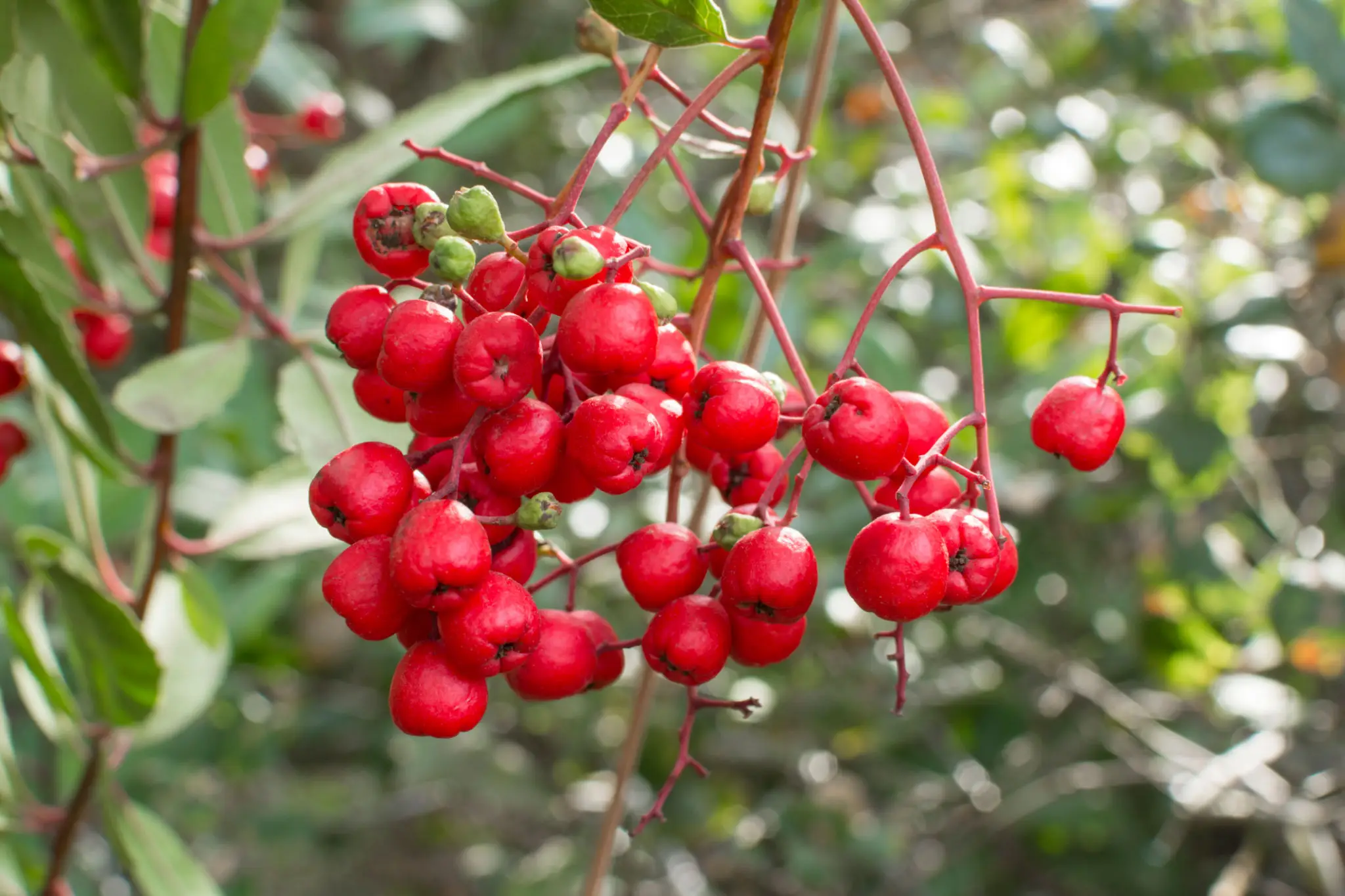
Toyon
Heteromeles arbutifolia
Toyon (Heteromeles arbutifolia): A staple evergreen shrub that produces bright red winter berries favored by thrashers, robins, and mockingbirds. Theodore Payne Foundation +1
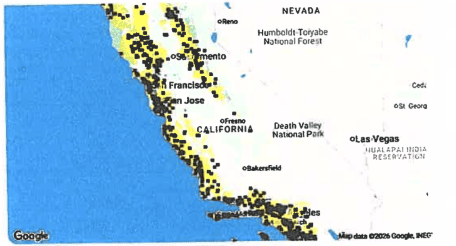
Data provided by the participants of the Consortium of California Herbaria View additional distribution information on the Jepson eflora
Plant description
Toyon (Heteromeles arbutifolia), also known as Christmas Berry, is an evergreen shrub in the Rose family (Rosaceae). In the summer it produces bunches of fragrant white flowers. In the winter it develops vibrant clusters of scarlet berries. The flowers attract butterflies and other pollinators. The berries are eaten by many birds, including Mockingbirds, American Robins, and Cedar Waxwings. Mammals including coyotes and bears also eat and disperse the berries. For humans, the berries are edible after cooking, or drying and crushing, in order to break down the small amounts of cyanogenic glycosides. Indigenous People use the berries to make cider, and a granular sugar.
Valley Bladderpod
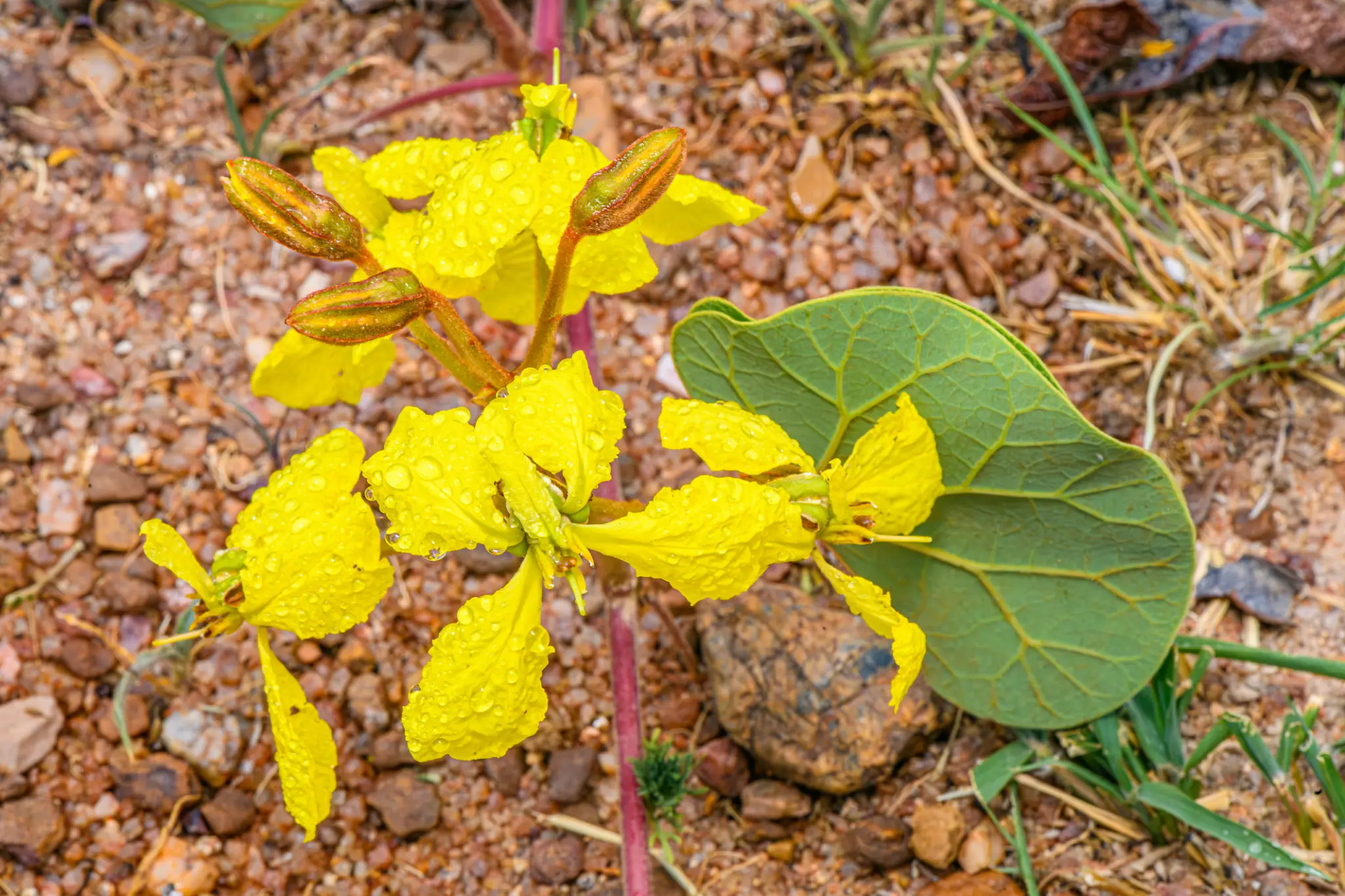
Cleomella arborea var. globosa
Bladderpod (Peritoma arborea): Features unique, bladder-like seed pods that are irresistible to native seed-gleaning birds. Las Pilitas Nursery.
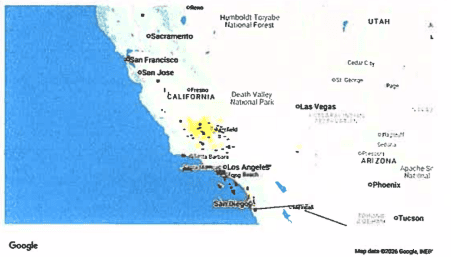
Data provided by the participants of the Consortium of Coifornio Herbaria View additional distribution information on the Jepson eflora
Plant description
This variety of bladderpod is the most common plant in the Peritoma genus in the foothills of the Central Valley but also occurs elsewhere. It is distinguished by inflated or nearly spheric fruits. Sometimes younger fruit is obovoid.
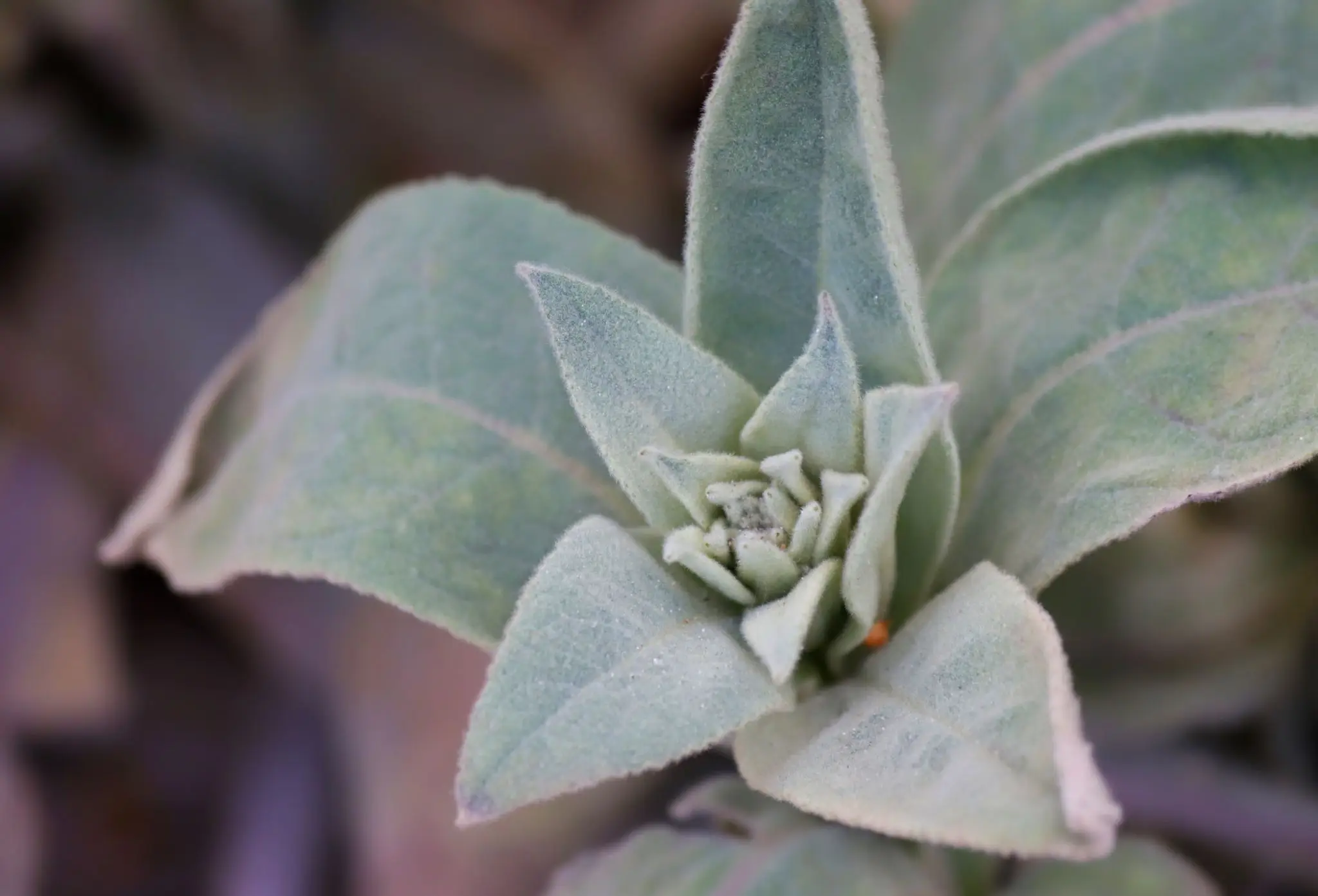
White Sage Salvia aplana
White Sage (Salvia apiana) This is a good pollinator plant, but very few insects are adapted to feeding upon the foliage of this plant, so not a good source of insects for feeding young birds.
Data provided by the participants of the Consortium of California Herboria View additional distribution information on the Jepson ellora
Plant description
Native to Southern California's coastal sage scrub region, White Sage (Salvia apiana) is one of the state's most important Salvia species. White Sage is fragrant, with silver-white leaves, and clusters of white flowers with lavender streaks. Young leaves start off green and turn white as they get older
White Sage is deeply rooted in the cultures and lifeways of Indigenous communities of Southern California and northern Baja, the only region this sage naturally occurs in the world. This plant's fimited wild populations are under threat from poaching, climate change, and development
Nursery-grown White Sage is a valuable pollinator plant in the garden. The small white flowers are a favorite of corpenter bees, bumble bees, and hummingbirds. In Latin, "apiana" meons of or belonging to bees The blooms are accented by silvery-white foliage. White Sage is a drought-adapted low-rater shrub that grows best in full sun. Pruning helps keep it neat and compact.